 Save to Pinterest
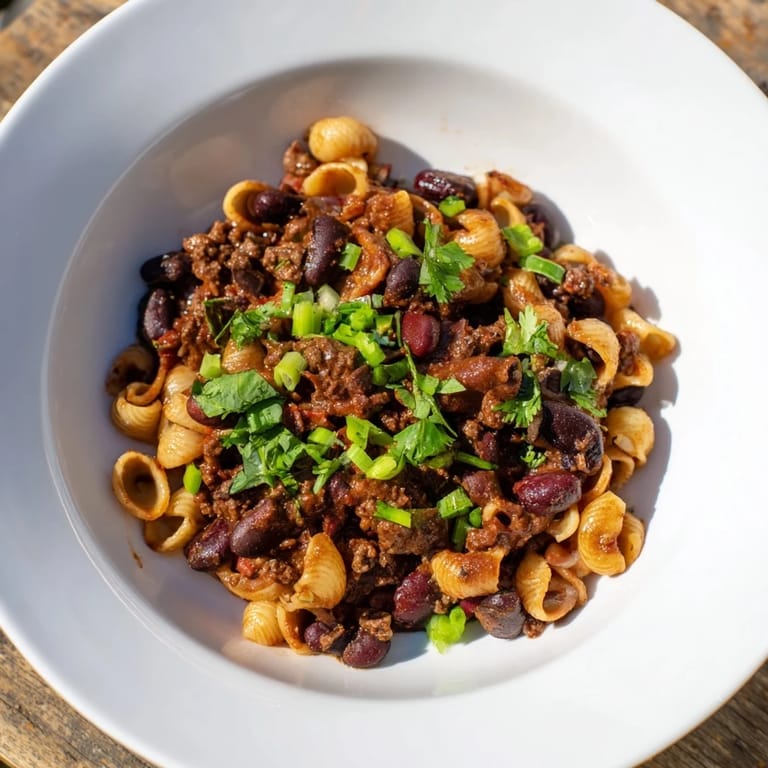
 The first time I combined chocolate with chili, I was skeptical—honestly, a bit suspicious. But that first spoonful of this one-pot ditalini, where the dark chocolate melts into the spiced heat and clings to tender pasta, changed everything. There's something about how the cocoa deepens the chili's complexity, making it feel less like two separate ideas and more like one cohesive comfort. Now, on cold evenings when I want something that feels both adventurous and deeply familiar, this is what I reach for.
I remember my partner coming home while this was simmering, the kitchen already rich with cinnamon and cumin, and asking if I was making dessert. When I explained it was chili, they looked genuinely puzzled until they tasted it. Now they request it by name, and I've made it for at least a dozen friends who all had that same moment of delicious confusion.
Ingredients
- Ditalini pasta (250 g): These tiny, tube-shaped noodles are perfect here—they nestle into the chili and soak up every bit of flavor instead of sitting on top.
- Ground beef or plant-based mince (400 g): The foundation of the pot; quality matters less than even browning, which means breaking it up as it cooks so no large clumps survive.
- Kidney beans and black beans (1 can each, drained and rinsed): Rinsing them removes excess sodium and that metallic taste, giving you clean flavor to build on.
- Onion, garlic, red bell pepper, and jalapeño: This aromatic base takes just minutes to soften and becomes the flavor backbone—don't skip the mincing step or you'll have chunky bits that distract.
- Chili powder, cumin, smoked paprika, cinnamon, and oregano: Bloom these spices in the pot for one minute after adding them; it wakes them up and makes them taste fresher, less one-dimensional.
- Tomato paste (1 tbsp) and diced tomatoes (1 can): The tomato paste concentrates flavor, while the canned tomatoes add body and a subtle tang that balances the chocolate.
- Low-sodium broth (700 ml): Use vegetable if you're going plant-based; the lower sodium lets you control the final seasoning without oversalting.
- Dark chocolate (40 g, 70% cocoa) and cocoa powder (1 tbsp): The chocolate melts into the pot, while the powder deepens the flavor—don't use chocolate chips, which contain stabilizers that won't melt smoothly.
- Brown sugar (½ tbsp): A tiny amount rounds out the spices and lets the chocolate shine without making this taste sweet.
Tired of Takeout? 🥡
Get 10 meals you can make faster than delivery arrives. Seriously.
One email. No spam. Unsubscribe anytime.
Instructions
- Heat the pot and sauté your aromatic base:
- Pour a splash of oil into your largest pot over medium heat. Add the chopped onion and let it soften for 3–4 minutes until it turns translucent at the edges; you're not trying to brown it, just coax out its sweetness. This foundation determines how good the rest tastes.
- Build the flavor layers:
- Add garlic, bell pepper, and jalapeño, stirring for 2–3 minutes until the kitchen smells unmistakably like a proper chili house. You'll notice the mixture look a bit wet at first, then the vegetables release their juices, creating a fragrant paste.
- Brown the meat:
- Push the vegetables to the side and add your ground beef, breaking it into small pieces as it hits the hot pot. Cook for 5–6 minutes, stirring and crumbling with a wooden spoon, until no pink remains and the meat looks evenly browned. If fat pools, tilt the pot slightly and use a spoon to skim some off.
- Bloom the spices:
- Sprinkle in all your dry spices—chili powder, cumin, paprika, cinnamon, oregano, salt, and pepper. Stir constantly for exactly one minute; you'll see the spices coat everything and smell the moment they wake up, becoming more fragrant and integrated.
- Add the rich base:
- Stir in tomato paste first, letting it coat the meat and spices, then add the diced tomatoes with their juice, followed by both cans of drained beans and your broth. The pot will look full and a bit chaotic, but that's correct; bring everything to a gentle boil, which should take about 5 minutes.
- Cook the pasta in the pot:
- Once boiling, stir in the ditalini pasta and lower the heat to a simmer. Cover the pot, leaving the lid slightly ajar if you're worried about boiling over, and cook for 10–12 minutes, stirring every few minutes. The pasta will absorb liquid as it softens; keep an eye on it, adding a splash more broth if it looks dry.
- Melt in the chocolate and finish:
- Once the pasta is tender and the chili has thickened slightly, remove the lid and stir in the cocoa powder and brown sugar, then add your chopped dark chocolate. Keep stirring gently until the chocolate disappears completely, which takes maybe two minutes. Taste and adjust salt or spice as needed.
- Serve and enjoy:
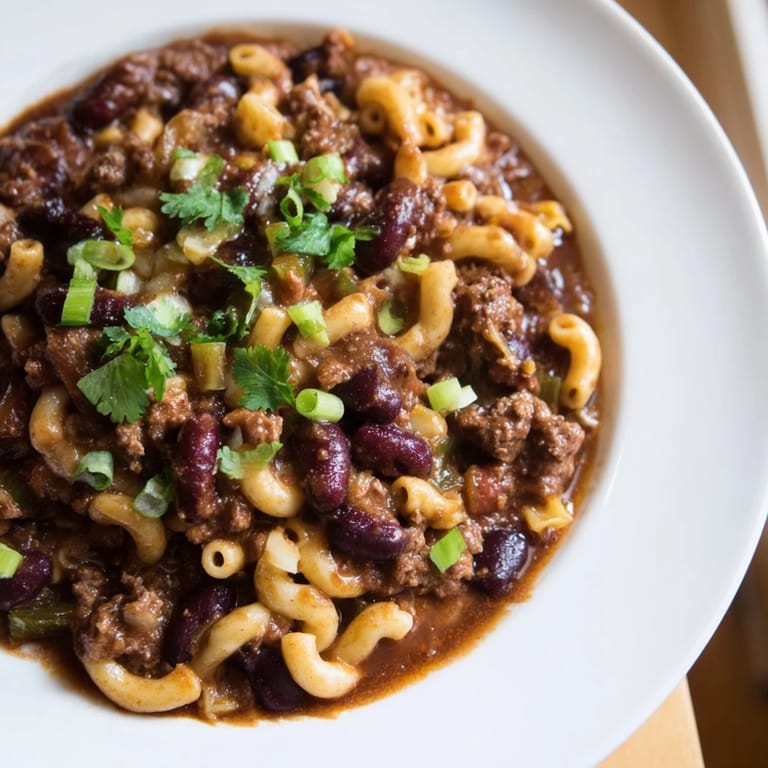
- Ladle into bowls while steaming and offer your toppings—cilantro, green onions, cheese if not dairy-free, or a dollop of sour cream all work beautifully.
 Save to Pinterest
 There's a moment, right after stirring in that dark chocolate, where the entire pot transforms. The aroma shifts from purely spicy to something almost mysterious, and that's when you know you've pulled off something special. My mother tasted this once and admitted she didn't believe chocolate belonged in chili until that spoonful, which felt like the highest compliment.
Why the Chocolate Matters
Chocolate in chili isn't a modern trend or a gimmick—it's been used in authentic Mexican moles for centuries, where it adds depth and rounds out spicy, earthy flavors. In this pot, the cocoa solids don't sweeten; they deepen. Think of chocolate as the volume knob, turning everything up slightly and making the chili taste more like itself. The cinnamon and cumin work with it, creating a warm complexity that makes people keep eating even after they're full.
The One-Pot Magic
This recipe lives in one pot from start to finish, which means the pasta doesn't just cook—it absorbs the flavored broth, meaning every bite tastes richer than if you'd cooked it separately. The starch from the pasta also helps thicken the chili naturally, so you don't end up with a soupy result. On nights when cooking feels like too much, this single-vessel simplicity is exactly what you need.
Customizing Your Bowl
This chili is flexible enough to bend to what you have or prefer. If you love heat, don't seed the jalapeño or add more chili powder; if you're cooking for people who don't love spice, you can dial it back. The chocolate stays constant—it's your safety net, the thing that keeps the chili from tasting one-dimensional no matter what else you adjust. Some nights I add a can of pinto beans instead of black beans, or swap the beef for extra beans and lentils, and it's never felt wrong.
- For a vegetarian version, use plant-based mince or double the beans without changing anything else.
- Gluten-free pasta works perfectly if you need it, and the cooking time stays the same.
- If you can't find smoked paprika, regular paprika works; you'll lose a touch of depth but won't lose the dish.
 Save to Pinterest
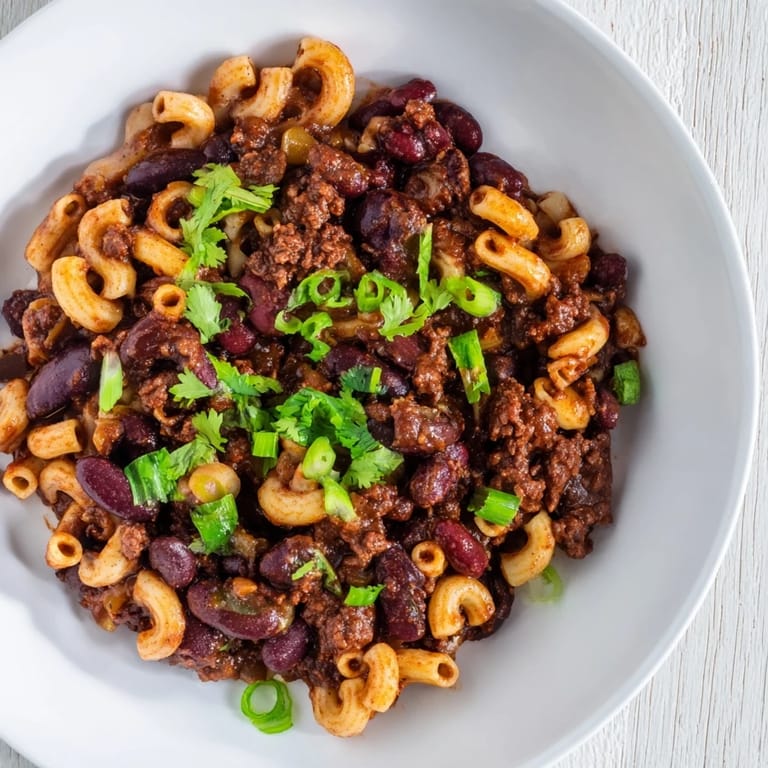
 This is the kind of recipe that tastes even better the next day, after the spices have settled and deepened. Make a double batch if you can, because leftovers quietly become the best lunches.
Your Questions Answered
- → What pasta works best for this dish?
Ditalini pasta is ideal due to its size and shape, but small pasta like elbow macaroni or shells can be substituted.
- → Can I make it vegetarian?
Yes, replacing ground beef with plant-based mince or doubling the beans creates a delicious vegetarian version.
- → How spicy is the dish and can I adjust it?
The heat level comes from chili powder and jalapeño, which can be tailored to your taste by adjusting their amounts or omitting jalapeño.
- → What role does chocolate play in this dish?
Dark chocolate and cocoa powder add depth and a subtle sweetness that complements the chili spices, enriching the overall flavor.
- → Are there recommended garnishes?
Fresh cilantro, sliced green onions, and grated cheese or a plant-based alternative add freshness and texture when serving.
- → Can this be prepared gluten-free?
Yes, substituting the ditalini with gluten-free pasta ensures the dish suits gluten-sensitive diets.