 Save to Pinterest
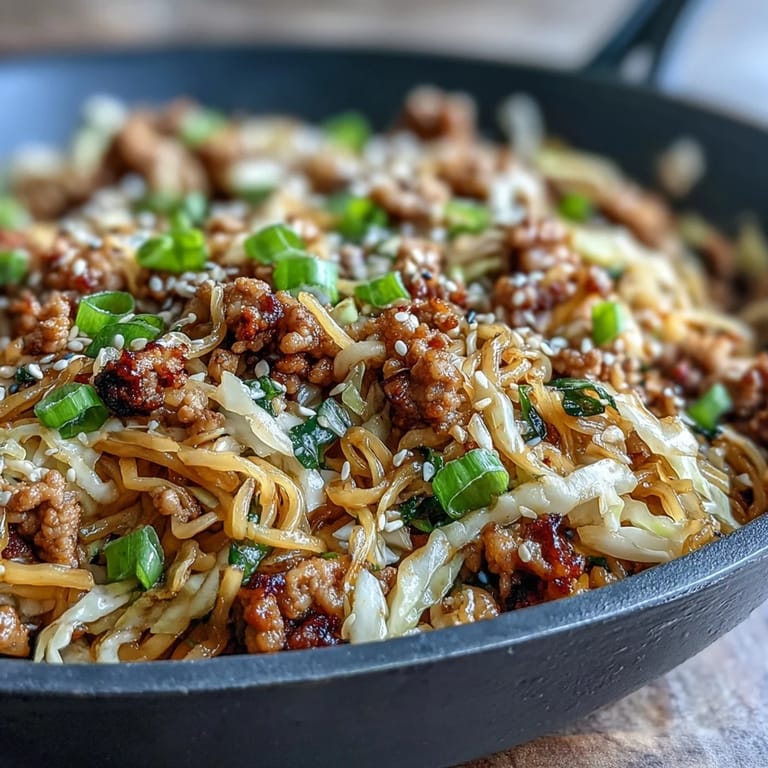
 My coworker brought this to the office one Tuesday, and I watched her eat it straight from a container while answering emails—no fuss, no mess, just pure satisfaction on her face. She called it egg roll in a bowl, and I remember thinking it sounded like someone had taken all the joy of a crispy egg roll and somehow made it even faster. When she finally let me taste it, the ginger and sesame oil hit first, followed by that perfectly wilted cabbage with just enough bite left to keep things interesting. I went home that night and made my own version, and it's been a weeknight staple ever since.
I made this for my partner during a particularly hectic work week when neither of us had energy for anything complicated, and something shifted when we sat down to eat it. The kitchen smelled incredible—that warm ginger-garlic-sesame combination—and we both forgot to complain about being tired and just ate with real appetite instead. That meal became the thing we'd make when we needed to feel grounded again, proof that simple food done well can be its own kind of comfort.
Ingredients
- Ground pork, chicken, or turkey (1 lb): The protein base holds everything together; I prefer pork for its subtle flavor, but chicken works beautifully if you want something leaner.
- Cabbage slaw mix (4 cups): Pre-shredded is a lifesaver on nights when you have ten minutes to dinner, though fresh cabbage sliced by hand tastes slightly sweeter.
- Onion, garlic, and ginger: This holy trinity is what makes the dish sing; don't skip or minimize any of them, as each one contributes something irreplaceable to the flavor profile.
- Green onions (2, for garnish): They add a sharp, fresh note at the end that cuts through the richness and reminds your palate this is still a vegetable-forward dish.
- Soy sauce (3 tbsp): Use tamari if you're avoiding gluten, but the depth is slightly different; coconut aminos work too if you're avoiding soy entirely.
- Rice vinegar (1 tbsp): This small amount of acidity brightens everything without making the dish taste vinegary, so don't be tempted to skip it.
- Toasted sesame oil (1 tbsp): Buy the real thing—the dark, fragrant kind—as it transforms the entire dish from good to memorable.
- Sriracha or chili sauce (1 tsp, optional): Heat is completely customizable, so add more if you want it spicy or leave it out entirely for something milder.
- Sesame seeds and optional toppings: These are the finishing touches that make the dish feel intentional rather than rushed, so don't skip the garnish.
Tired of Takeout? 🥡
Get 10 meals you can make faster than delivery arrives. Seriously.
One email. No spam. Unsubscribe anytime.
Instructions
- Brown the meat:
- Heat your skillet over medium-high and add the ground meat, breaking it apart as it cooks so it browns evenly rather than clumping together. This takes about five to six minutes, and you'll know it's done when there's no pink left and the edges are slightly caramelized.
- Build the aromatic base:
- Add the onion, garlic, and ginger to the pan with the cooked meat and let it sauté for two to three minutes until everything softens and the smell makes you stop what you're doing. The kitchen should smell unmistakably Asian-inspired at this point, warm and inviting.
- Wilt the cabbage:
- Stir in the entire cabbage slaw mix and cook for four to five minutes, stirring often, until it softens but still has texture. Watch it transform from raw and crisp to silky and tender while keeping just enough crunch to be interesting.
- Finish with sauce:
- Whisk together the soy sauce, rice vinegar, sesame oil, and sriracha in a small bowl, then pour it into the pan and toss everything together. Cook for just one to two more minutes so the flavors marry together without anything getting overcooked.
- Garnish and serve:
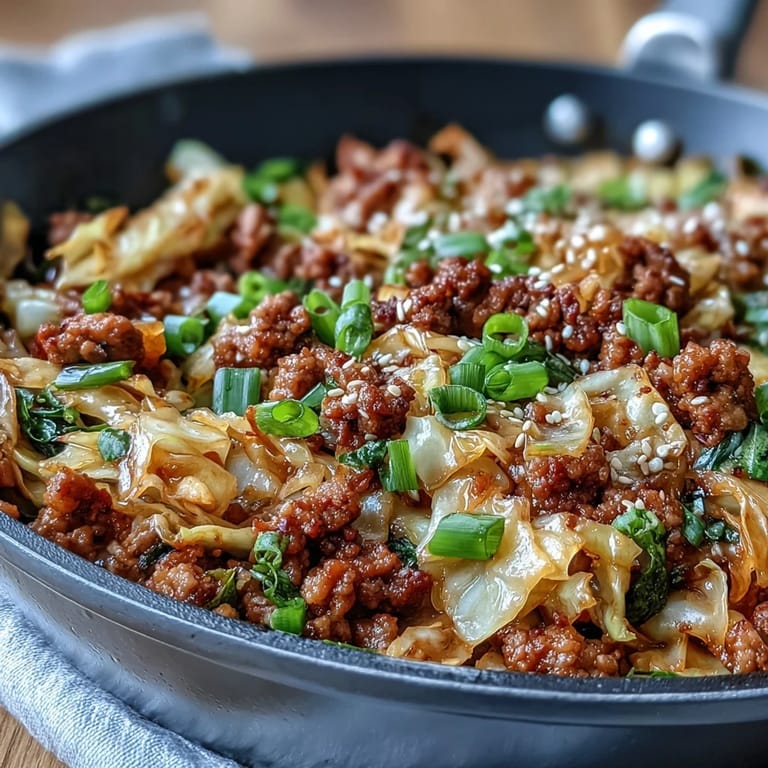
- Remove from heat and top with green onions, sesame seeds, and any other toppings you want, then serve immediately or divide into containers for the week ahead. The dish is best eaten while still warm, when all those flavors are at their most vibrant.
 Save to Pinterest
 There's a moment in the cooking process, right after you add the ginger and the kitchen fills with that spicy-warm smell, when you realize this dish is going to be different every time you make it based on what you have on hand and how you're feeling that day. That flexibility turned it from a recipe into a tool I reach for whenever I need something nourishing, quick, and genuinely delicious.
The Beauty of Meal Prep
This recipe was made for batch cooking—it actually tastes better the next day after the flavors have settled into the vegetables, and it stores beautifully in the refrigerator for four to five days. I divide mine into containers on Sunday evening and spend the rest of the week grateful I don't have to think about lunch, which is honestly the best part of cooking.
Flavor Variations Worth Trying
Once you've made this the classic way a few times, it becomes fun to experiment with what you add—a splash of lime juice brightens it toward something more Thai, while a little white miso stirred into the sauce deepens it into something almost umami-forward. I've added shredded mushrooms for extra earthiness, swapped the protein for shrimp, and even made a vegetarian version with crumbled tofu that my non-meat-eating friends actually requested seconds of.
The Toppings Make It Real
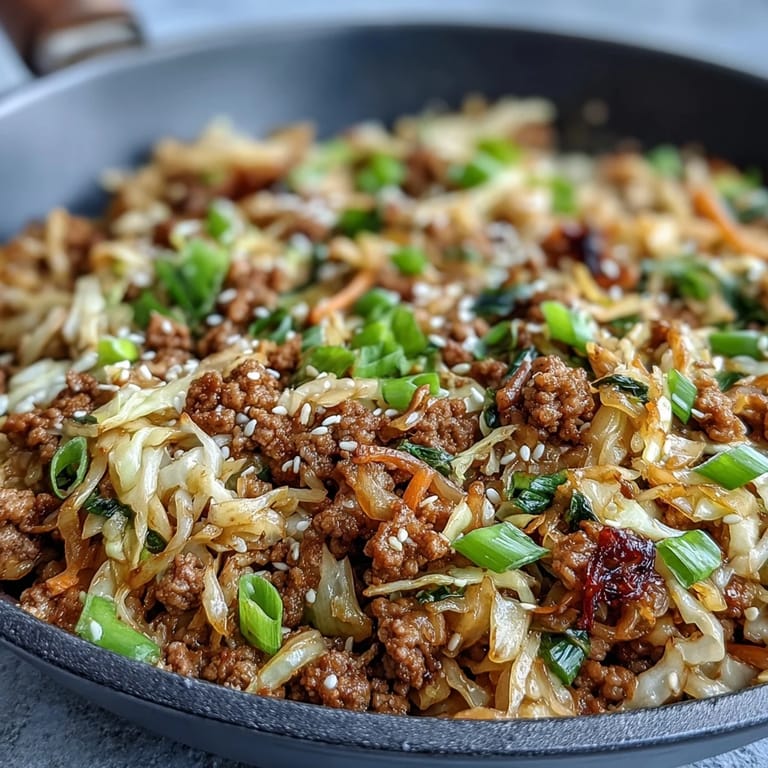
I used to make this and serve it plain, wondering why it never felt quite as good as takeout, until I realized the toppings aren't optional—they're where the personality lives. A sprinkle of sesame seeds, a slash of fresh green onion, maybe a pinch of chili flakes if you're in the mood—these final touches are what turn a bowl of cooked ingredients into something you actually want to eat. Everything matters, even the small stuff.
- Toast your own sesame seeds in a dry pan for thirty seconds if you want them to taste more pronounced and nutty.
- Slice the green onions just before serving so they stay crisp and their onion flavor doesn't fade into the warm dish.
- Keep sriracha on the side so everyone can adjust the heat level to their preference without you having to remake the whole thing.
 Save to Pinterest
 This dish has become proof that you don't need complicated recipes or expensive ingredients to eat well on a busy night. When you're standing in front of the stove watching everything come together in real time, you'll understand why it's become such a staple in my kitchen.
Your Questions Answered
- → Can I make this vegetarian?
Absolutely. Replace the ground meat with crumbled firm tofu or tempeh. Cook it the same way, breaking it into small pieces and browning before adding the vegetables. The sauce and seasonings work perfectly with plant-based proteins.
- → What's the best ground meat to use?
Ground pork is traditional and most authentic, but ground chicken or turkey work beautifully for a lighter version. The key is browning the meat well to develop flavor before adding the aromatics and vegetables.
- → Can I use regular cabbage instead of slaw mix?
Yes, simply shred your own cabbage and carrots. A coleslaw mix just saves prep time. Aim for about 4 cups total—roughly 1 small head of cabbage and 2-3 carrots shredded. The texture is nearly identical.
- → Is this actually low-carb?
Without the egg roll wrapper, this dish is naturally low-carb. The main carbohydrates come from the small amount of cabbage and carrots. Each serving contains about 10g carbs, making it suitable for keto and low-carb lifestyles, especially when served over cauliflower rice.
- → How long does this keep for meal prep?
This dish meal preps exceptionally well. Store in airtight containers for up to 4-5 days in the refrigerator. The cabbage retains a nice texture even after reheating. Reheat gently in the microwave or a quick skillet toss. The flavors often deepen and improve after a day or two.
- → Can I make this spicy?
The sriracha adds moderate heat, but you can easily adjust the spice level. Add more sriracha, red pepper flakes, or even a drizzle of chili crisp oil at the end. You can also use sambal oelek or your favorite hot sauce in place of sriracha.