 Save to Pinterest
 My grandmother's kitchen always smelled like cinnamon and caramel on Thanksgiving, and it took me years to realize that smell came entirely from her skillet of candied yams. One afternoon, watching her peel those yams with the kind of practiced ease that only comes from decades of repetition, she didn't give me a recipe—she just let me stand there and soak it in. Now whenever I make this dish, I'm right back there, butter sizzling, brown sugar melting into something that tastes like comfort tastes if that makes any sense.
I made this for a dinner party once where I was nervous about the main course turning out, so I poured extra care into these yams as if they could carry the whole meal. When my friend took a second helping and closed her eyes while eating, that's when I understood—sometimes the side dish is what people actually remember. The candied yams became the star that night, and I stopped apologizing for bringing them to potlucks.
Ingredients
- Yams (3 large, about 2 lbs), peeled and sliced into 1/2-inch rounds: The thickness matters here because too thin and they'll fall apart, too thick and the centers won't soften in time. Pick yams that are firm with no soft spots, and peel them under cool running water to reduce the starch.
- Packed light brown sugar (1 cup): The word packed is doing real work in that measurement—scoop and press it down so you're getting the full sweetness and molasses flavor that makes this dish sing.
- Unsalted butter (6 tbsp): This becomes the foundation of your glaze, so use real butter and let it melt gently before adding the sugar.
- Water (1/4 cup): This keeps the syrup from seizing up and helps everything cook evenly across the skillet.
- Ground cinnamon (1/2 tsp) and ground nutmeg (1/4 tsp): Toast these briefly in the melted butter if you're feeling fancy—it wakes them up and deepens their flavor.
- Salt (1/2 tsp): Don't skip this because it balances the sweetness and makes every bite taste more like itself.
- Pure vanilla extract (1 tsp): Stir this in at the very end so the heat doesn't cook off those delicate vanilla notes.
- Chopped pecans (1/4 cup, optional): If you use them, toast them separately for a minute in a dry pan before sprinkling on top—it gives them a roasted crunch that matters.
Tired of Takeout? 🥡
Get 10 meals you can make faster than delivery arrives. Seriously.
One email. No spam. Unsubscribe anytime.
Instructions
- Start your syrup base:
- Melt the butter in your skillet over medium heat, watching it turn golden and smell a little nutty. Add the brown sugar, water, cinnamon, nutmeg, and salt, stirring until the sugar completely dissolves and you see the first gentle bubbles breaking the surface.
- Arrange the yams:
- Lay your yam slices into the syrup in a single layer, turning each one so both sides get coated in that glossy mixture. You're aiming for them to nestle together without crowding too much.
- Gentle covered cook:
- Lower the heat to medium-low, cover the skillet, and let time do the work for about twenty minutes. Every few minutes, stir gently and turn the yams over, spooning syrup back over the top to ensure even cooking.
- Finish with caramelization:
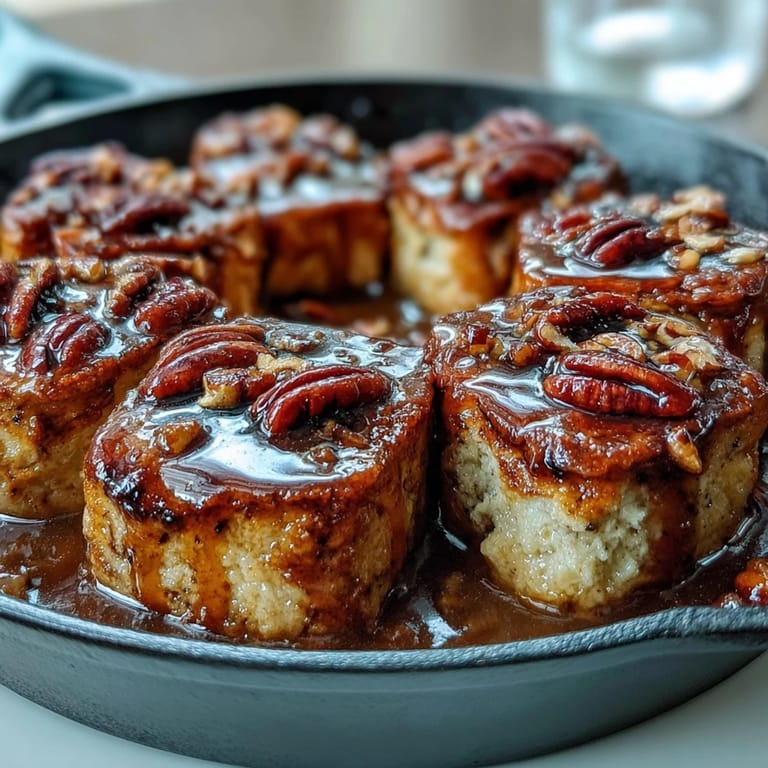
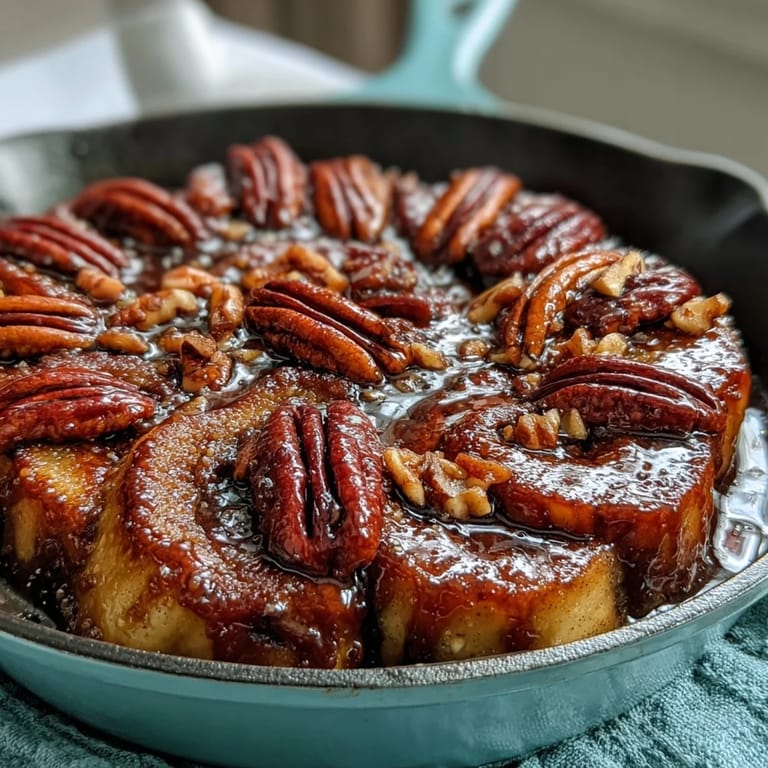
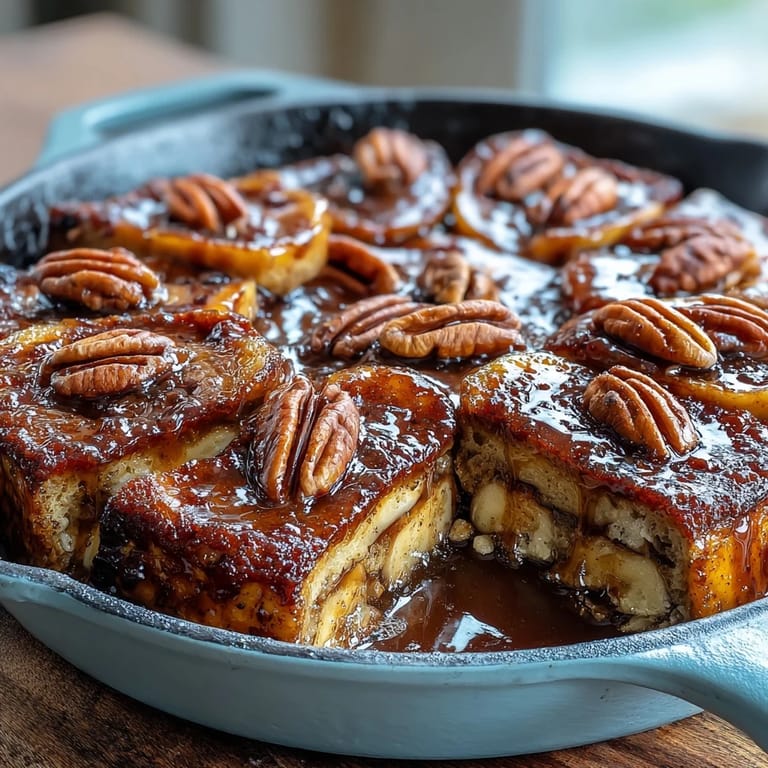
- Remove the lid, bump the heat to medium, and cook for another ten to fifteen minutes until the yams are completely fork-tender and the sauce has thickened into something glossy and rich. Keep basting with that syrup because it's what turns this from cooked to caramelized.
- Final vanilla stir:
- Remove from heat and stir in the vanilla extract, letting it swirl through all that brown sugar and butter.
 Save to Pinterest
 There was a moment at my friend's table when everyone went quiet mid-conversation, and I realized they were all focused entirely on their plates. That's when I knew this dish wasn't just sweetness and spice—it was something that made people pause and actually taste what they were eating. Candied yams have that quiet power.
Why This Recipe Works
The magic happens in the skillet itself because you're not baking these yams in an oven where the heat is distant and indirect. Instead, the butter and syrup make direct contact with each slice, allowing the edges to caramelize slightly while the centers stay tender. That's why this method creates those deeper, more complex flavors than you'd get from a casserole dish.
Serving and Pairing Ideas
These candied yams belong next to roasted chicken, glazed ham, or even grilled vegetables if you're building a plate with different textures and flavors. They're sweet enough to feel like a minor dessert, but savory enough to work as a proper side dish. Some people even eat the leftovers cold the next morning, spooned over vanilla ice cream, and I won't tell anyone if you do the same.
Variations and Personal Touches
Once you make this a few times, you'll start noticing how small changes shift the whole character of the dish. A pinch of ground ginger adds brightness, while cloves bring an almost spiced-cake warmth that some people find irresistible. For a vegan version, swap the butter for a plant-based alternative—coconut oil creates a slightly different flavor but works beautifully, and maple syrup can replace some of the brown sugar if you want to play with the depth.
- A splash of bourbon or rum added to the syrup at the very end creates sophistication without overpowering the yams.
- Try swapping half the brown sugar for dark brown sugar if you prefer a deeper molasses presence.
- If pecans feel too predictable, toasted walnuts or even crushed amaretti cookies create unexpected texture and flavor.
 Save to Pinterest
 This dish has shown up at more of my tables than I can count, and it never feels tired or expected. When someone asks for the recipe, I write it down but also tell them about the butter melting and the smell of cinnamon—because that's the part that actually matters.
Your Questions Answered
- → What type of yams works best for this dish?
Firm, large yams peeled and sliced into half-inch rounds hold their shape well while absorbing the glaze, providing an ideal texture.
- → Can I substitute the butter in the syrup?
Yes, plant-based butter can be used for a dairy-free version without compromising the rich mouthfeel.
- → Why is cooking covered then uncovered important?
Covering helps the yams steam and soften evenly, while uncovering towards the end thickens the syrup and caramelizes the glaze.
- → How does the vanilla contribute to the dish?
Vanilla adds a subtle aromatic sweetness that enhances the brown sugar glaze’s depth and complexity.
- → What optional twists can add warmth to the flavor?
Adding ground ginger or cloves introduces an extra layer of warmth and spice, complementing the cinnamon and nutmeg.