 Save to Pinterest
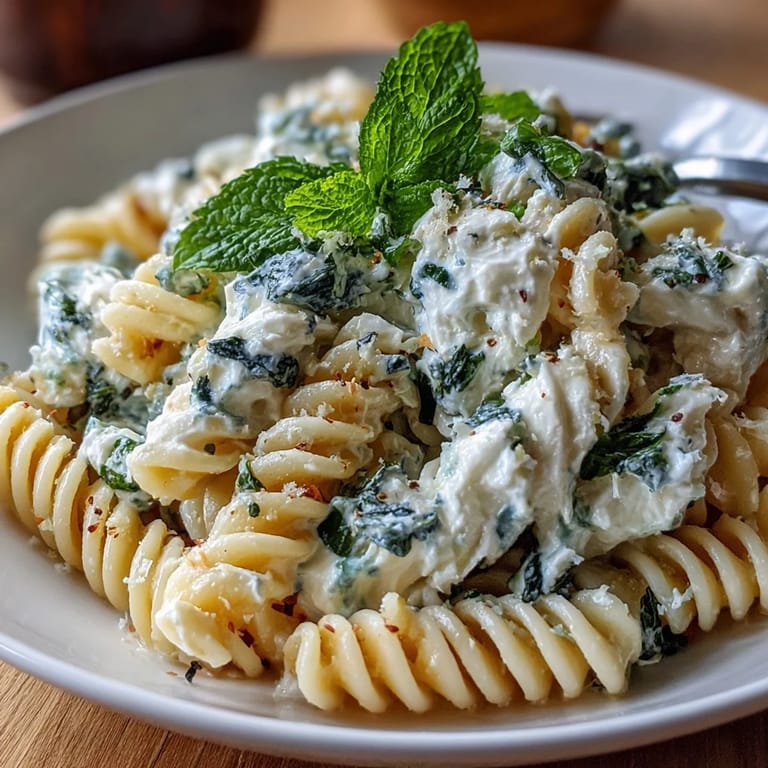
 My neighbor knocked on my kitchen door one April afternoon with a handful of fresh mint from her garden, insisting I do something with it before it overtook her entire patio. I'd just bought a container of creamy ricotta at the market, and the two seemed like they were meant to find each other. That evening, I threw together this pasta almost by accident, and it became the kind of dish that tastes like spring itself—bright, effortless, and somehow more elegant than the fifteen minutes it took to make.
I served this to my sister on a surprise visit, and she actually paused mid-bite to ask for the recipe—something she'd never done before. There's a moment when everything aligns: the peas are tender but still pop slightly, the ricotta hasn't broken into graininess, and that mint hits your palate like a whisper of the whole season. She went home with the written recipe tucked in her bag, and I've heard she makes it constantly now.
Ingredients
- Short pasta (penne, fusilli, or orecchiette): Use 350 g, and don't skip reserving the cooking water—it's the secret to turning ricotta into a proper sauce instead of clumpy dollops.
- Fresh or frozen peas: 250 g total; frozen peas are genuinely just as good here, and sometimes more tender than fresh ones that have traveled.
- Garlic: Just 2 cloves, finely chopped, because this dish is delicate and garlic can muscle in if you're not careful.
- Lemon zest: From 1 unwaxed lemon; this bright note is what makes people ask what's different about your cooking.
- Ricotta cheese: 250 g of good quality ricotta makes all the difference—taste it first if you can, because some varieties are much creamier than others.
- Parmesan cheese: 50 g grated, plus extra for serving; it adds a savory depth that balances the sweetness of the peas.
- Fresh mint: About 15 g (roughly 1 small bunch), finely chopped; mint loses its brightness quickly once chopped, so do this just before you need it.
- Extra-virgin olive oil: 2 tablespoons of really good oil matters here since there aren't many ingredients to hide behind.
- Black pepper: Freshly ground and generous; it's your final seasoning and worth the few extra cracks.
Tired of Takeout? 🥡
Get 10 meals you can make faster than delivery arrives. Seriously.
One email. No spam. Unsubscribe anytime.
Instructions
- Boil the pasta with intention:
- Fill a large pot with salted water—it should taste like a pleasant sea breeze—and bring it to a rolling boil. Add your pasta and cook until it's al dente, which means it still has a slight resistance when you bite it. Before draining, scoop out about 1 cup of that starchy cooking water and set it aside in a mug; this liquid gold will help you create that creamy sauce.
- Coax flavor from the garlic:
- While the pasta finishes cooking, warm 2 tablespoons of olive oil in a large pan over medium heat. Once it's shimmering slightly, add your finely chopped garlic and let it cook for just about a minute—you want it fragrant and golden, not brown and bitter.
- Wake up the peas:
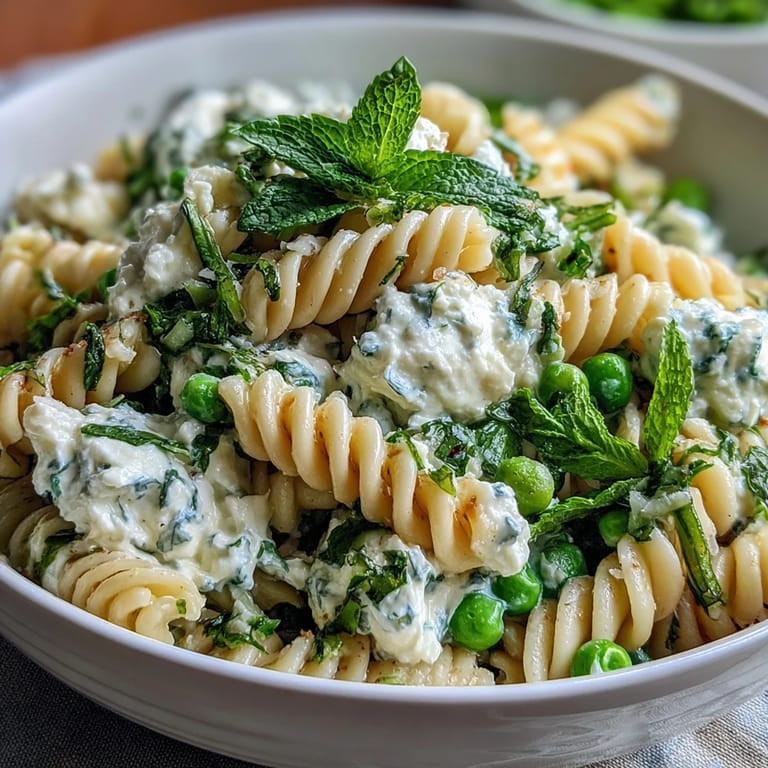
- Add your 250 g of peas to the garlicky oil and cook for 2 to 3 minutes, stirring occasionally. If you're using frozen peas, they'll need the full three minutes; fresh peas might only need two. You're looking for them to be bright green and just tender enough to bite through easily.
- Bring it all together:
- Add your drained pasta to the pan with the peas and toss everything to combine. You'll notice the pasta is quite dry at this point—that's exactly right.
- Create the silky sauce off the heat:
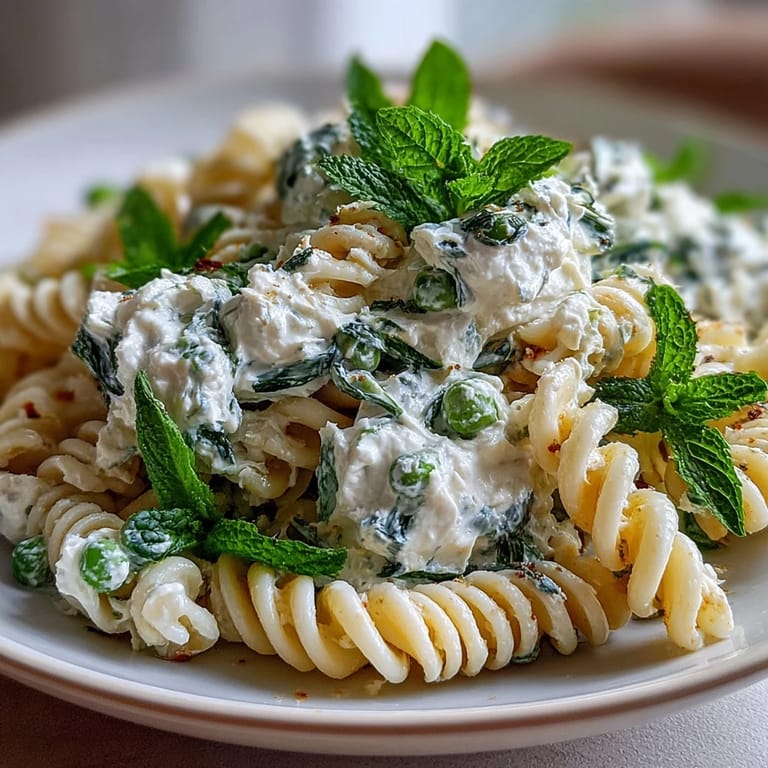
- Remove the pan from the heat—this is crucial because you don't want the ricotta to scramble. Stir in your 250 g of ricotta, the lemon zest, the 50 g of grated Parmesan, and about half of your chopped fresh mint. Now start adding that reserved pasta water a splash at a time, stirring gently until the ricotta breaks down into a creamy, coating sauce that looks like it belongs on every strand.
- Taste and season with intention:
- Add a pinch of salt (you may not need much because the pasta water and Parmesan are already salty), then crack plenty of fresh black pepper over everything. Taste it—this is your moment to adjust the balance.
- Plate and finish:
- Divide the pasta among four bowls or plates while it's still warm. Sprinkle the remaining fresh mint over each portion and add an extra shower of Parmesan to each one, because those final layers are what people remember.
 Save to Pinterest
 This pasta has become my go-to when I want to feel like I'm feeding people something special without the stress of a long recipe. There's something quietly satisfying about how simple ingredients transform into something that tastes far more composed than it has any right to.
When to Make This
Spring and early summer are the obvious times, when fresh mint is practically begging to be used and peas are at their sweetest. But honestly, frozen peas mean you can make this in January if you're craving something green and bright on a gray afternoon. I've made it on weeknights when I didn't want to think, and on weekend afternoons when I wanted to feel like I was cooking something impressive. It's equally at home as a quick solo dinner or as a first course for friends.
Variations Worth Trying
The beauty of this pasta is that it's a canvas for whatever is in your kitchen or garden. A handful of fresh baby spinach or peppery arugula added with the peas adds earthiness and texture. Toasted pine nuts scattered over the top provide a satisfying crunch that contrasts beautifully with the creamy sauce. Some evenings I add a whisper of fresh basil alongside the mint, or finish with a tiny pinch of red pepper flakes for those who like warmth.
Making It Your Own
The skeleton of this dish is simple enough that you can adapt it honestly. Use whatever short pasta shape you have, though shapes with little pockets tend to catch the sauce better. The ricotta is forgiving—if yours is particularly thick, thin it with a splash more cooking water. Lemon is essential, but if you're out of fresh mint, a combination of parsley and basil works beautifully in a pinch.
- Save your pasta water before draining; this starchy liquid is what transforms ricotta into sauce.
- Taste your ricotta before you use it—some brands are tangier than others, and this changes how much salt you'll need.
- Make this dish just before serving; it doesn't really improve sitting around and the mint loses its brightness.
 Save to Pinterest
 This is the kind of recipe that teaches you something every time you make it: how ricotta behaves off the heat, how mint changes a dish, how much the pasta water matters. It's become a favorite precisely because it's simple enough to make without thinking, but interesting enough to keep you engaged.
Your Questions Answered
- → What type of pasta works best?
Short pasta like penne, fusilli, or orecchiette holds the sauce well and complements the creamy texture.
- → Can I use frozen peas?
Yes, frozen peas work fine; cook slightly longer until they are tender and bright green.
- → How do I achieve a creamy sauce?
Reserve pasta cooking water and add gradually when mixing in ricotta to reach a smooth, creamy consistency.
- → Is it possible to make this dish vegan?
Substitute ricotta and Parmesan with plant-based alternatives to keep the creamy texture and flavor balance.
- → What herbs enhance the flavor?
Fresh mint leaves provide a refreshing herbal note that complements the peas and cheese beautifully.
- → Any suggestions for added texture?
Toasted pine nuts or a handful of baby spinach or arugula can add crunch and extra freshness.