 Save to Pinterest
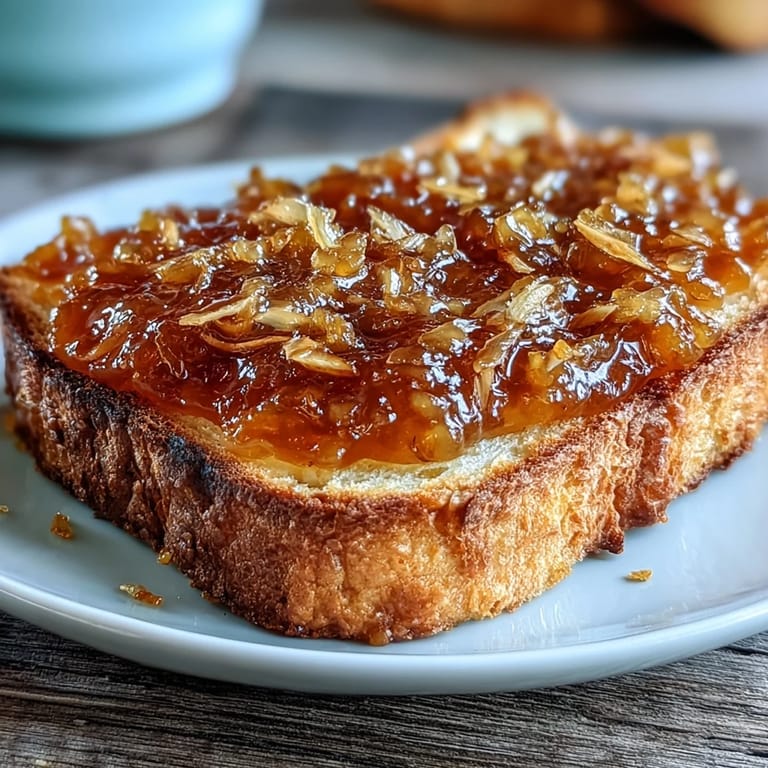
 Early spring mornings always seem more adventurous when the lawn is speckled with yellow dandelions. One year, after a surprise rain shower, the blossoms looked especially vivid, and the idea to turn them into jelly struck me as I tried not to track mud into the kitchen. There&aposs a curious excitement in plucking petals for something other than a salad or tea. Even my nosy cat seemed perplexed as I sorted flowers at the table, sniffing the honeyed scent rising from the heap. Making this jelly feels like bottling up sunshine and sharing a secret with anyone who cares to taste it.
I once made a batch for a picnic, and there was a quiet moment as people spread dandelion jelly over warm rolls. Someone asked if it was honey – I felt a burst of pride, and we laughed as I confessed it was from wildflowers I gathered that morning. The jelly disappeared quickly, leaving only crumbs and an empty jar as evidence that foraged food can surprise even skeptics. The conversations that followed wandered, but the floral flavor lingered and made the afternoon feel special. It was the first time I saw how something so humble could spark curiosity and delight.
Ingredients
- Fresh dandelion petals: Only the yellow part gives that delicate floral taste, so I carefully pinch away any green bits (the greens can turn the jelly bitter).
- Water: Clean water is vital, as it draws out the sweet, earthy flavor of the petals during the steeping process.
- Lemon juice: This little splash brightens the jelly and cuts any mellow bitterness; fresh works best, but bottled is fine in a pinch.
- Powdered fruit pectin: It ensures a firm but spreadable texture, and I learned to add it before the sugar for consistent results.
- Granulated sugar: Besides sweetness, it balances the earthy tang and helps the jelly set.
Tired of Takeout? 🥡
Get 10 meals you can make faster than delivery arrives. Seriously.
One email. No spam. Unsubscribe anytime.
Instructions
- Prep Those Petals:
- Grab a mixing bowl and pluck only the yellow petals from the dandelions, leaving any green sepals behind to dodge bitterness.
- Steep and Strain:
- Pour boiling water over the petals, cover, and let them sit – the smell is sweet and earthy. After steeping, press everything through cheesecloth or a fine sieve, squeezing out every last drop.
- Cooking the Jelly:
- In a big saucepan, mix dandelion tea with lemon juice and pectin, then bring it to a fierce boil while stirring (the bubbling will sound like applause). Dump all the sugar in at once, return to a hard boil for a minute or two, and then skim off foam as needed.
- Jar and Process:
- Ladle hot jelly into sterilized jars, wipe the rims, seal tightly, and process in a boiling water bath for five minutes or refrigerate right away for shorter storage.
 Save to Pinterest
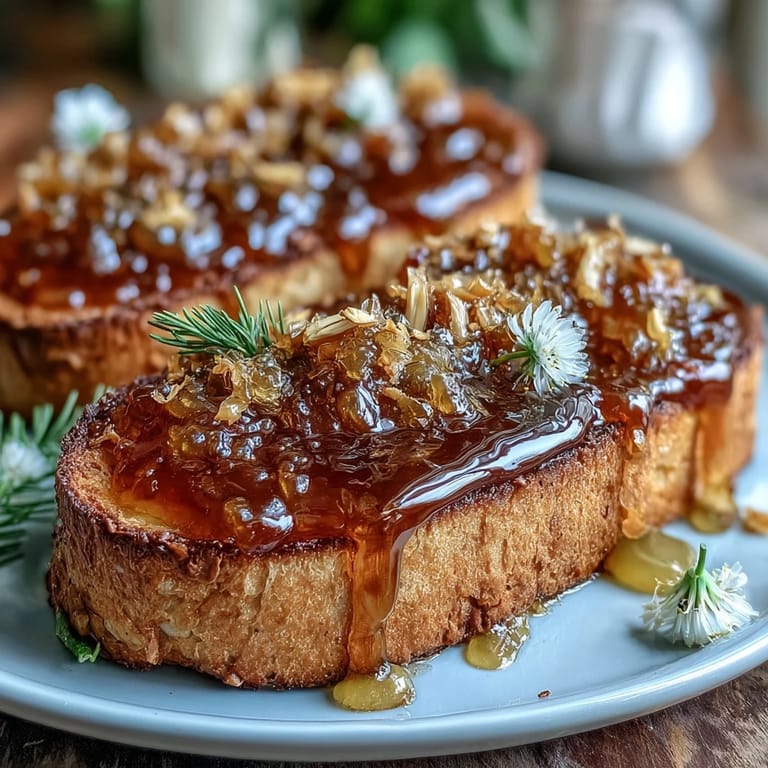
 The day I gave a jar to my neighbor, she spread it on a scone and blinked in surprise, asking if it was really from dandelions. Her delighted reaction made me realize this simple jelly turned a common weed into a little gift – and her laughter echoed through the kitchen, mixing with the scent of lemon and sugar.
Gathering and Cleaning Petals
Harvesting dandelions is best in the morning, before the sun wilts the blooms. I always double-check for bees, gently shaking petals if any are hiding inside. A quick rinse removes dust and bugs, but the biggest trick is to pull petals in bunches and avoid the green at the base, which can sneak bitterness into your jelly. Sometimes, I set up near a window and enjoy the fresh-cut grass smell as I work.
Troubleshooting and Fixes
One batch didn&apost set because I was too hesitant with pectin – lesson learned. If yours is still runny after cooling, don&apost hesitate to reboil with extra pectin for a firmer jelly. Testing a spoonful on a chilled plate is a good way to check if the jelly&aposs ready, and if it runs, it needs more time or pectin.
Serving Ideas and Simple Joys
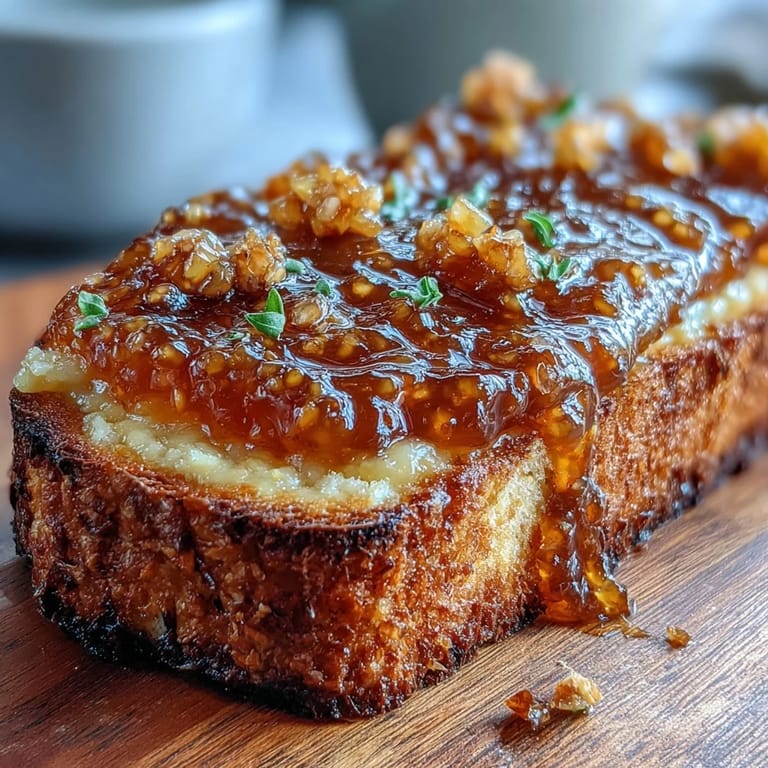
Adding a dab to yogurt or spooning it onto ice cream makes a clever twist for dessert, and spreading it on toast feels like a spring morning, any time of year. The flavor is subtle but bright, almost like honey with hints of sunshine. Little glass jars make great gifts, especially tied with a ribbon.
- If you want a citrusy note, toss in a pinch of orange zest.
- Save the leftover dandelion tea and use it for herbal drinks.
- Label your jars so you remember what&aposs inside after a few weeks.
 Save to Pinterest
 Making dandelion jelly brings the wild into your kitchen, and sharing it adds a touch of magic to everyday moments. Enjoy every golden spoonful!
Your Questions Answered
- → How should dandelion petals be prepared?
Rinse thoroughly and remove green parts, keeping only the yellow petals for a sweeter flavor.
- → Can the floral taste be enhanced?
Try steeping petals overnight for a stronger aroma, or add orange zest with lemon juice for citrus notes.
- → What is the best way to strain the dandelion tea?
Use a fine mesh sieve or cheesecloth, squeezing out as much liquid as possible for a clear base.
- → How long should the cooked jelly be boiled?
Boil hard for 1–2 minutes after adding sugar to ensure proper setting and a smooth texture.
- → Is this jelly suitable for sensitive diets?
Yes, it's vegetarian and gluten-free, but always check pectin and sugar labels if highly allergen-sensitive.
- → What tools are recommended for making jelly?
Large saucepan, sieve or cheesecloth, sterilized jars, funnel, and ladle ensure smooth preparation and canning.