 Save to Pinterest
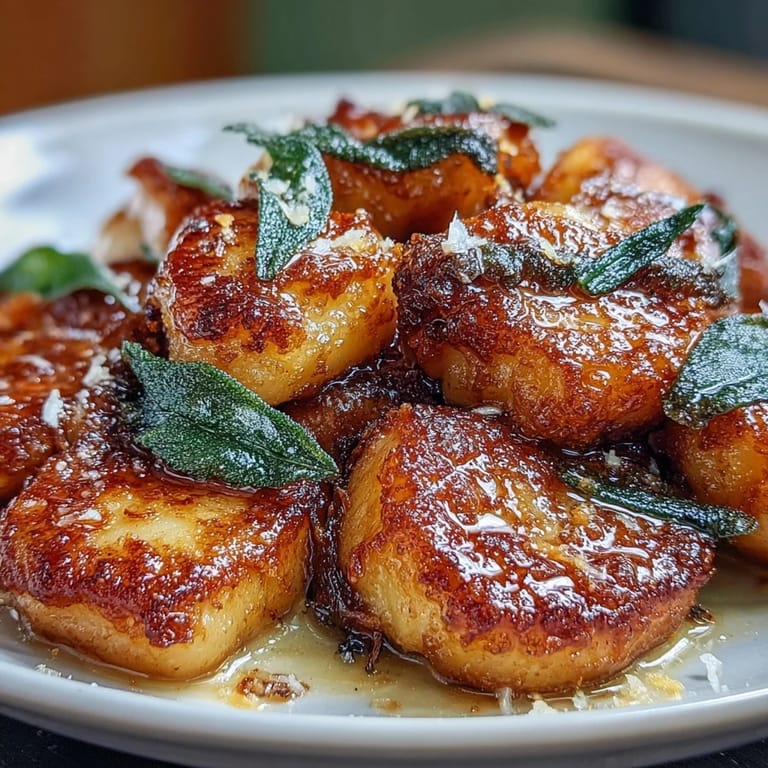
 Sometimes a certain smell can turn an ordinary evening into something quietly memorable. The first time I browned butter for gnocchi, the nutty aroma drifted through the open window and I caught myself grinning at how a simple stick of butter could feel surprisingly luxurious. I don't remember what prompted me to try this sage-scented dish—it might have been a long day at work or just a cold snap outside—but hearing the sizzle as the gnocchi hit the pan, I was instantly glad I'd chosen comfort over fuss. Even watching the sage leaves crisp up felt a little bit magical that night. There is something soothing about the small rituals of this recipe that keeps drawing me back.
One rainy Saturday, I made this for my neighbor after she helped me drag a stubborn dresser up three flights of stairs. We ate cross-legged amid moving boxes, passing the Parmesan back and forth, and by the last bite, the stress of the day didn’t seem to matter anymore. It turns out, nothing softens a long afternoon quite like golden gnocchi and a few crisped sage leaves shared with good company.
Ingredients
- Fresh Potato Gnocchi: Whether you make them at home or grab a package, light gnocchi are key—pat them dry after boiling for maximum golden crust.
- Unsalted Butter: Use good quality butter here; watching and sniffing for deep nutty aromas makes all the difference in flavor.
- Fresh Sage Leaves: Pick whole leaves—when fried, they add crunch and fragrant earthiness that's irresistible.
- Garlic (optional): Only a small clove needed for mellow warmth; don't overdo it or it can overpower the sage.
- Salt and Black Pepper: Season thoughtfully—taste as you go to catch that sweet spot.
- Grated Parmesan Cheese: Grates best when very cold; toss some into the pan and save a little for the table.
- Lemon Zest (optional): Adds a bit of sunshine and keeps the brown butter from becoming too heavy.
Tired of Takeout? 🥡
Get 10 meals you can make faster than delivery arrives. Seriously.
One email. No spam. Unsubscribe anytime.
Instructions
- Boil Gnocchi:
- Fill a large pot with water, salt it generously, and bring it to a rolling boil—dropping in your gnocchi and waiting for them to bob to the top like tiny life rafts always makes me smile.
- Dry The Gnocchi:
- Lift them gently with a slotted spoon and briefly pat them dry on a plate lined with paper towels—this helps them crisp instead of steam.
- Brown The Butter:
- In a wide skillet, melt the butter over medium heat; watch for the gentle foam and take in the toasty scent as the butter turns a rich golden brown.
- Crisp The Sage (and Garlic):
- Scatter in the sage leaves and, if you like, the minced garlic—listen for the cheerful crackle and don't walk away, sage cooks fast.
- Pan-Fry The Gnocchi:
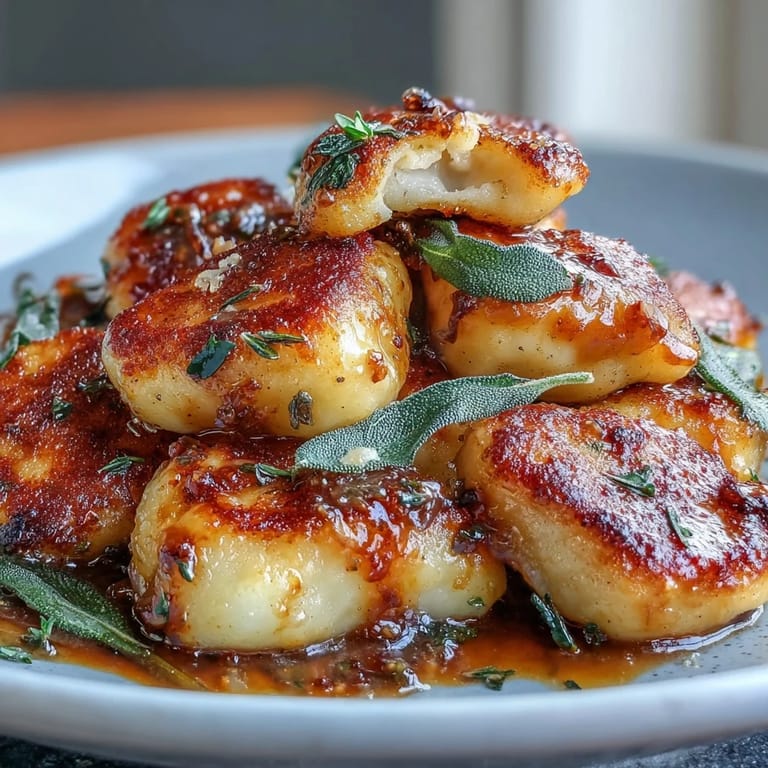
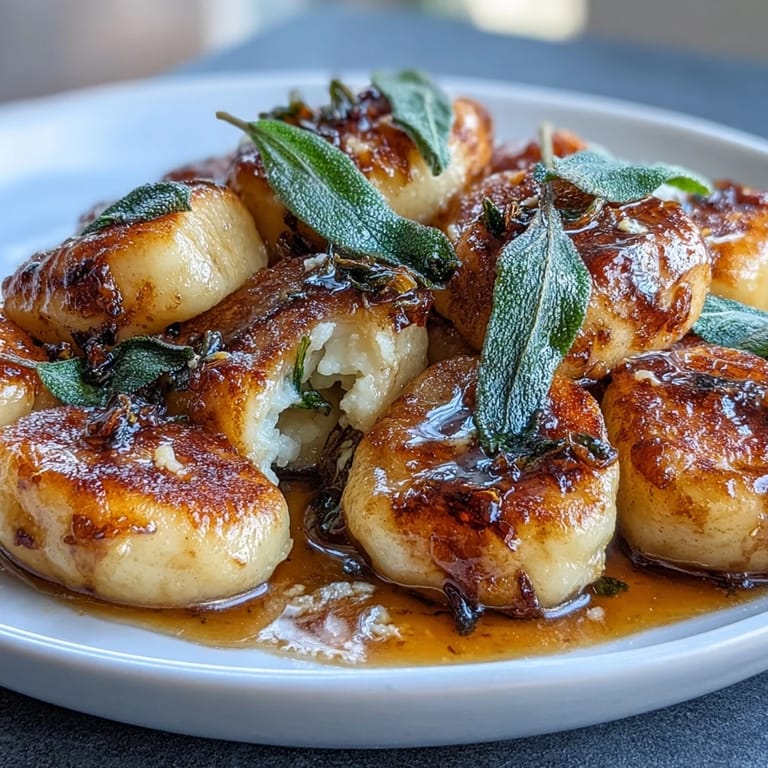
- Tip in the gnocchi, raise the heat, and let them develop a golden crust, stirring gently so they don’t break—there’s nothing more satisfying than the first few crispy ones.
- Season And Finish:
- Turn off the heat, sprinkle with salt, black pepper, Parmesan, and a bit of lemon zest; swirl everything together so each gnocchi is glossy and fragrant.
- Serve Immediately:
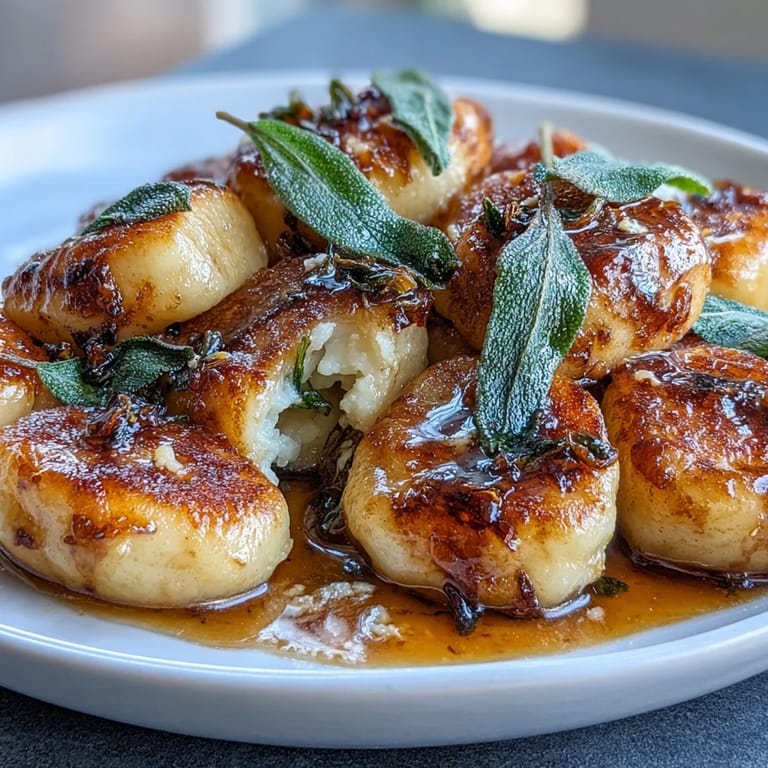
- Pile onto warm plates, top with extra Parmesan, and tuck in while it’s still sizzling—don’t forget a few fried sage leaves on top for crunch.
 Save to Pinterest
  Save to Pinterest
 There was a quiet dinner last autumn where I made this just for myself and the clinking fork sounded louder than usual—but halfway through, I realized how nice it felt to cook something special, no occasion needed. That evening, brown butter sage gnocchi was both dinner and a small act of kindness toward myself.
Choosing And Using Fresh Herbs
Fresh sage from the market can be a bit floppy, so let it air dry on the counter before cooking—crispy sage is a little like eating paper-thin potato chips scented by the garden, and it's almost as addictive as it sounds.
Customizing For The Season
Switch up the gnocchi with pumpkin or sweet potato in the fall, or add a sprinkle of crushed walnuts for a little warmth and crunch. Little twists keep it from ever feeling repetitive.
Small Kitchen Successes
Making this dish in a tiny kitchen has taught me to tidy up as I go, since things move quickly and it keeps the stress at bay. Don’t be afraid to use your hands to toss the gnocchi in the pan—the direct contact makes it easier to coat every dumpling in that glorious butter.
- Have a microplane ready for the lemon and cheese—it makes a big difference in texture.
- Wipe out any extra moisture from the pan before browning the butter if you’ve just washed it.
- Gather all your ingredients before you start—the recipe goes fast, and you won’t want to lose track of anything.
 Save to Pinterest
  Save to Pinterest
 This gnocchi has become my go-to for both cozy nights and last-minute guests, and every time, it feels just a little bit special. May your next pan of brown butter be just the comfort you need.
Your Questions Answered
- → How do I get the gnocchi crisp without crushing them?
Boil until they float, then drain and pat very dry. Use a hot skillet and a moderate amount of butter or oil, avoid overcrowding, and let each side develop color before stirring to keep the pillowy interior intact.
- → How can I brown butter without burning it?
Melt butter over medium heat, swirl or stir continuously. Watch for foam to subside and a nutty aroma and light amber color to appear. Remove from heat as soon as brown flecks form to prevent burning.
- → What's the best way to crisp sage leaves?
Dry the leaves well, add them to warm butter and fry for 1–2 minutes until edges are crisp. Use a slotted spoon to lift them out and drain on paper towels so they stay crunchy as a garnish.
- → Can I use store-bought or frozen gnocchi?
Yes. Cook according to package directions until they float, drain and pat dry before pan-frying to achieve a golden exterior while preserving a soft center.
- → What are good cheese or garnish alternatives?
Pecorino Romano or a finely grated aged cheese work well. Finish with lemon zest or a light squeeze of lemon for brightness, or sprinkle toasted breadcrumbs for extra texture.
- → How should I reheat leftovers to retain texture?
Reheat in a skillet over medium heat with a small knob of butter or oil to re-crisp surfaces. Avoid the microwave, which will soften the exterior.