 Save to Pinterest
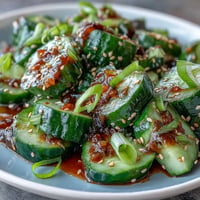
 A few summers ago, I was caught between wanting something light for lunch and needing actual substance—that's when this salad wandered into my kitchen routine. The diagonal slices of celery caught the light in the most satisfying way, and pairing them with that ginger-soy dressing felt like discovering a flavor combination that had been waiting for me all along. It's the kind of dish that doesn't demand much from you, yet somehow tastes like you've done something impressive.
I brought this to a potluck once thinking it would be overshadowed by everyone's elaborate casseroles, and it was gone before the main dishes even hit the table. One person asked if I'd made it at a restaurant, and I remember standing there, wooden spoon in hand, genuinely pleased that something so straightforward had made such an impression. That's when I realized simplicity done right beats complexity every time.
Ingredients
- Celery stalks: Buy them firm and pale—they'll slice cleaner and stay snappier longer than the darker, softer bunches that have been sitting around.
- Red bell pepper: The sweetness balances the sharp bite of ginger, so don't skip it even if you think peppers are boring.
- Scallions: Slice them thin so they distribute throughout instead of clumping into chewy bits.
- Carrot: Optional but honestly worth it—julienne it so it catches the dressing properly.
- Roasted unsalted peanuts: Chop them rough and uneven; uniform pieces feel fussy and less interesting.
- Sesame seeds: Toast them yourself if you have five minutes; the difference in flavor is why people think you're a better cook than you are.
- Fresh cilantro: Some people say it tastes like soap, and that's valid—swap it for mint or just skip it if that's you.
- Soy sauce: Use tamari if gluten bothers you; regular soy sauce brings a roundness that's hard to replicate.
- Rice vinegar: It's milder than white vinegar and lets the ginger shine instead of overpowering everything.
- Toasted sesame oil: The toasted version is essential—untoasted is basically invisible in this dressing.
- Honey or maple syrup: A tiny bit of sweetness keeps the dressing from becoming too sharp; trust this even if you don't usually add sugar to savory dishes.
- Fresh ginger: Grate it fine so you get little pockets of warmth in every bite instead of fibrous chunks.
- Garlic and lime juice: These two finish the dressing by adding brightness that keeps everything tasting fresh rather than heavy.
- Chili flakes: Optional but recommended—a whisper of heat wakes up your palate and makes you want another forkful.
Tired of Takeout? 🥡
Get 10 meals you can make faster than delivery arrives. Seriously.
One email. No spam. Unsubscribe anytime.
Instructions
- Prep your vegetables with intention:
- Slice the celery on a diagonal so the pieces are elegant and catch the dressing better than straight cuts. Thin slices mean every bite includes vegetable and flavor, not just crunch.
- Build your dressing base:
- Whisk soy sauce, rice vinegar, sesame oil, honey, ginger, garlic, and lime juice together until the honey dissolves completely—this takes about thirty seconds of actual whisking, not just stirring. The mixture should smell bright and warm, not dull.
- Combine vegetables and dressing:
- Pour the dressing over your prepped vegetables while your hands are still clean enough to toss everything with your fingers, which honestly works better than a spoon. The dressing clings better to rough vegetable surfaces than you'd expect.
- Add crunch elements at the last moment:
- Fold in peanuts and sesame seeds gently so they stay whole and don't get crushed into bitter paste. If you're serving immediately, do this right before plating.
- Time your serving for maximum impact:
- Serve it straight away if you want every vegetable to pop with crunch, or let it sit ten minutes if you prefer flavors to meld and soften slightly. Either way tastes good—it's just about what mood you're in.
 Save to Pinterest
 I made this once for someone who usually eats the same thing every day, and they asked for the recipe—I mean actually asked, not just politely. Watching someone discover that salad could be exciting was oddly touching, and it reminded me that sometimes the smallest dishes do the biggest work in how we think about food.
Why This Dressing Changes Everything
The magic here is ginger meeting soy in that warm, almost medicinal way that makes your mouth water before you've even swallowed. It's not a creamy dressing that coats everything; it's clean and assertive, which means it actually seasons the vegetables rather than drowning them. Once you taste this combination, it becomes your template for how dressings should work—supporting the vegetables instead of replacing them.
Making It Your Own
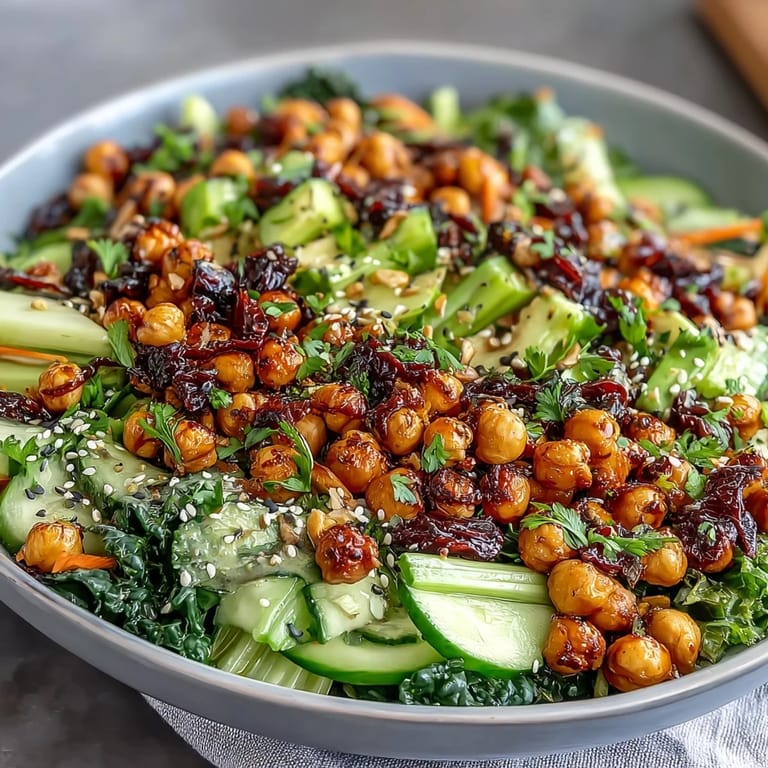
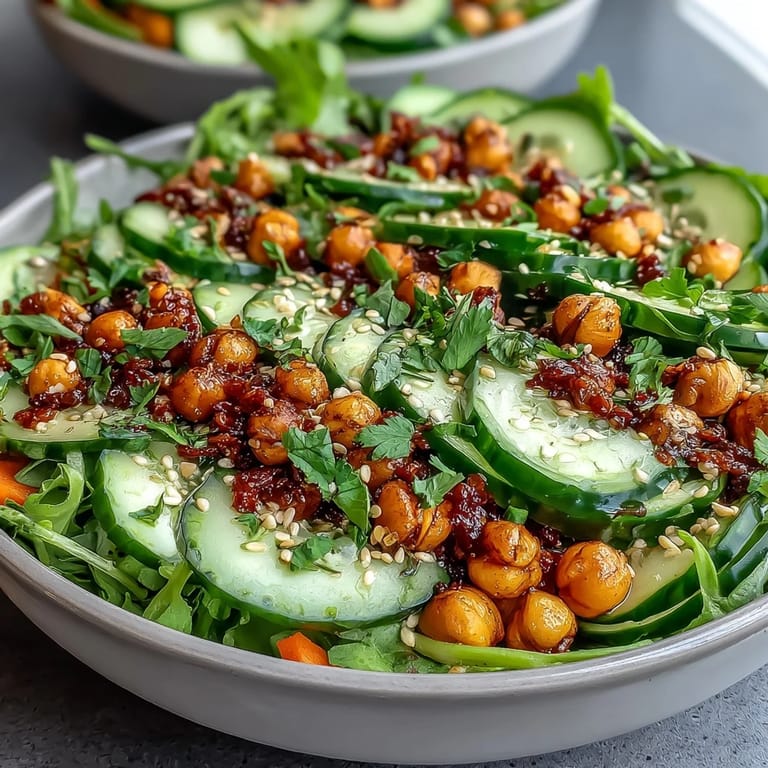
The structure is solid, but the beauty is in what you add or subtract based on what's in your fridge and what you're craving. I've thrown in cashews instead of peanuts on nights when I had them, swapped cilantro for mint when I was out, even added shredded napa cabbage when celery looked sad at the store. The dressing is forgiving enough to carry any vegetable combination, which is why this salad gets made so often in my kitchen.
Storage and Make-Ahead Strategy
The vegetables keep separately from the dressing for up to a day, which means you can prep everything in the morning and assemble when you're ready to eat. The dressing lasts about three days in a sealed jar in the refrigerator, and honestly, it's good on other things—grain bowls, roasted vegetables, cold noodles. Don't combine everything more than an hour before serving unless you like softer vegetables, which some people do and some people don't.
- Make extra dressing; you'll find yourself drizzling it on things all week and wondering why you didn't make more.
- Toast your own sesame seeds if you have time—the flavor difference justifies the three minutes of attention it takes.
- Taste the dressing before it meets the vegetables and adjust salt or heat then, when you can actually judge what's needed.
 Save to Pinterest
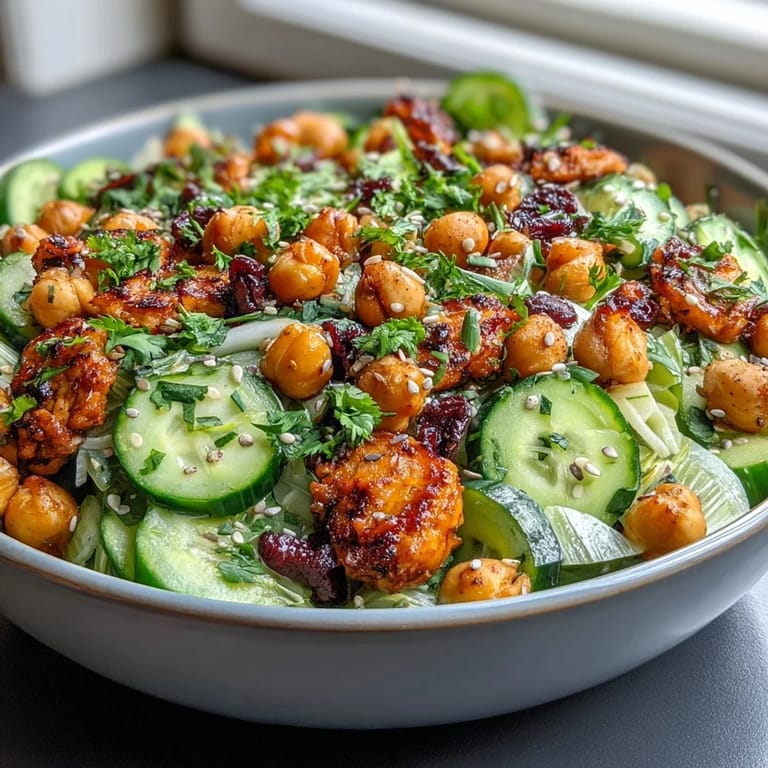
 This salad has become the thing I make when I want to feel like I'm taking care of myself without any drama or pretense. It's proof that simple, honest food made with attention actually tastes better than complexity masquerading as sophistication.
Your Questions Answered
- → What ingredients create the dressing's flavor?
The dressing balances savory soy sauce, tangy rice vinegar, toasted sesame oil, sweet honey or maple syrup, grated ginger, garlic, lime juice, and optional chili flakes for a zesty finish.
- → How can I add extra crunch to the salad?
Adding chopped roasted peanuts and sesame seeds enhances the texture, complementing the crisp celery and fresh vegetables.
- → Can I make this salad gluten-free?
Yes, substituting tamari for soy sauce ensures the dressing remains gluten-free without sacrificing flavor.
- → What are some optional additions for heartiness?
Shredded cooked chicken or tofu can be added to increase protein and create a more substantial dish.
- → How should the salad be served for best taste?
Serve immediately for maximum crunch, or chill briefly to allow flavors to meld. Garnish with fresh cilantro or lime wedges for added freshness.