 Save to Pinterest
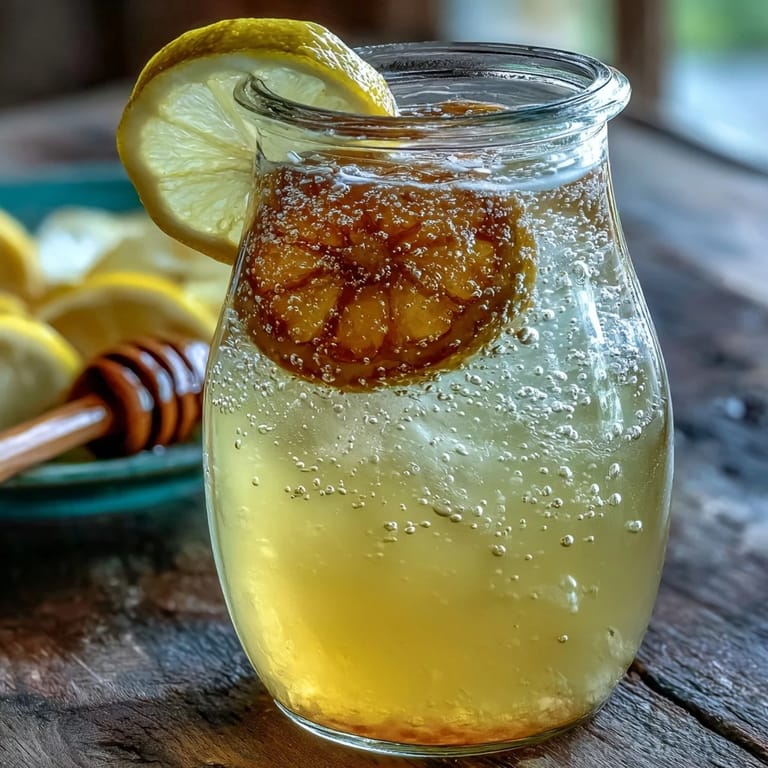
 Eager to chase away the heat of a muggy afternoon, I once found myself squeezing lemons by the window, drawn to the promise of a drink that practically makes itself fizz. The air was sticky and a streak of sunlight made the honey gleam in the jar. My curiosity grew as soon as I realized fermentation would give this lemonade both tang and sparkle—no soda stream needed. The gentle hiss when I finally popped the first bottle was its own tiny celebration. It's seriously amazing how something so simple can feel like a backyard science experiment gone deliciously right.
Last summer, my neighbor wandered over to borrow some mint and left clutching a chilled glass of this lemonade and wide-eyed with delight at the natural bubbles. Watching folks around the picnic table pass around the bottle—ginger slices bobbing inside—reminded me how playful simple drinks can be. The kids tried to guess what made it fizzy, while we swapped guesses about how long to let it ferment for a perfect pop. Even our quietest friend gave a smile after the first sip. That table has never felt more like community.
Ingredients
- Lemons: The star, especially when freshly squeezed—scrub the rind clean, and roll each lemon before cutting to get every juicy drop.
- Filtered Water: Use only filtered water, as chlorine in tap water can sabotage the friendly fermentation.
- Raw Honey: Go for unpasteurized honey—its natural enzymes jumpstart the fermentation and build that gentle fizz.
- Fresh Ginger (optional): A small knob brings warm spice and helps round out the lemonade’s flavor; peel and slice thin for best infusion.
- Fresh Mint (optional): A single sprig adds a cool herbal brightness, but don’t overdo it or it overpowers.
Tired of Takeout? 🥡
Get 10 meals you can make faster than delivery arrives. Seriously.
One email. No spam. Unsubscribe anytime.
Instructions
- Mix the Base:
- Pour lemon juice into a large jar with water and swirl to combine—the air will fill with bright citrus aroma.
- Dissolve the Honey:
- Slowly stir in raw honey until not a single streak remains, feeling it thicken and dissolve as you go.
- Customize Your Flavor:
- If you enjoy subtle warmth or a fresh note, add ginger slices or a mint sprig—just drop them straight in.
- Prepare for Fermentation:
- Carefully pour the mixture into a clean glass jar, leaving a bit of headspace—never fill to the top, since bubbles need room.
- Set the Stage:
- Cover with a lid or airlock but don’t tighten all the way; place in a spot away from sunlight and let nature do its thing.
- Ferment and Taste:
- Let it sit for 2–3 days, tasting daily; a gentle tang and soft fizz mean it’s ready to bottle.
- Bottle and Chill:
- Transfer slowly into swing-top bottles, seal, and refrigerate for at least 4 hours—the chill sharpens the sparkle.
- Serve and Enjoy:
- Pour over ice and listen for that happy fizz—it’s summer in a glass, no matter the weather outside.
 Save to Pinterest
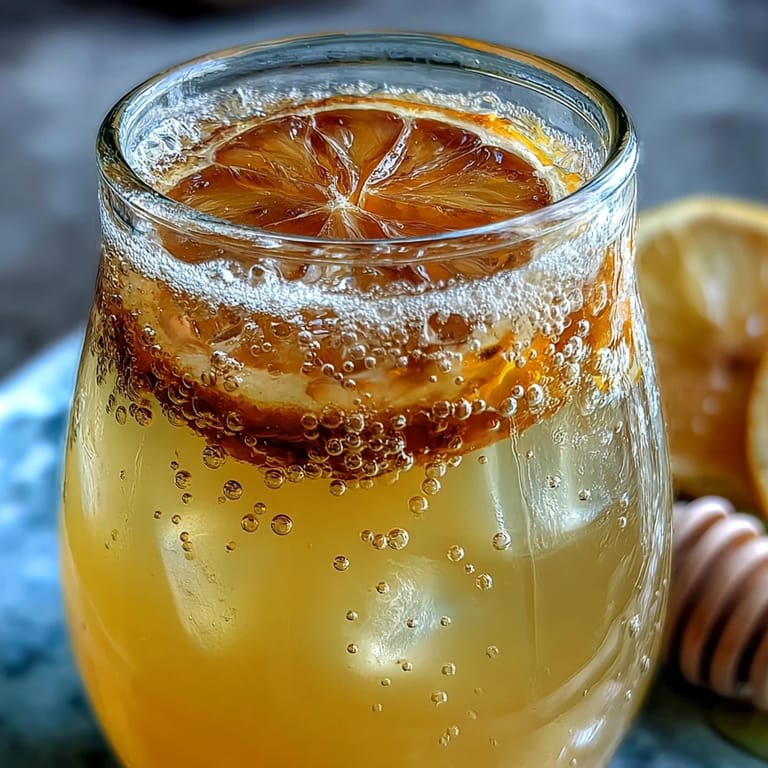
 One particularly gray, drizzly evening, I poured a glass for myself and realized the gentle tang and bubbles lifted my spirits—this lemonade is so much more than a drink, it’s an instant mood booster and a quiet moment of self-care.
Choosing and Juicing Lemons Like a Pro
Pick lemons that feel heavy for their size; thin skins usually mean lots of juice. I always roll lemons on the counter before slicing—they release so much more juice that way. If one looks dimpled or wrinkled, use it up first. I’ve noticed the freshest lemons yield a brighter, less bitter drink. Scrape out rogue seeds with the tip of a spoon to keep things fuss-free.
Troubleshooting Your Ferment—Don’t Panic
If your lemonade isn’t bubbling after a day, don’t despair—sometimes a cooler kitchen just slows things down. If after three days there’s no fizz, double-check your honey or water; raw honey and non-chlorinated water are key. Skim off any surface foam or white bubbles, but toss the batch if you spot strange colors or an off smell. Trust your nose as much as your taste buds, and remember that a little patience usually pays off. Every batch teaches me something new about timing and temperature.
Ways to Personalize Your Lemonade
Swapping in a handful of blackberries or sliced basil turns the lemonade into a whole new refreshment. A pinch of sea salt or even a spoonful of pureed strawberries gives the drink surprising depth. When I’m in the mood for extra zing, I steep the ginger a few extra hours before bottling—it’s subtle but worth it.
- Always label your bottles with the date so you know how long they’ve been fermenting.
- Open bottles slowly over the sink in case of eager bubbles.
- Chill thoroughly—the flavors mellow and the fizz is crispest when truly cold.
 Save to Pinterest
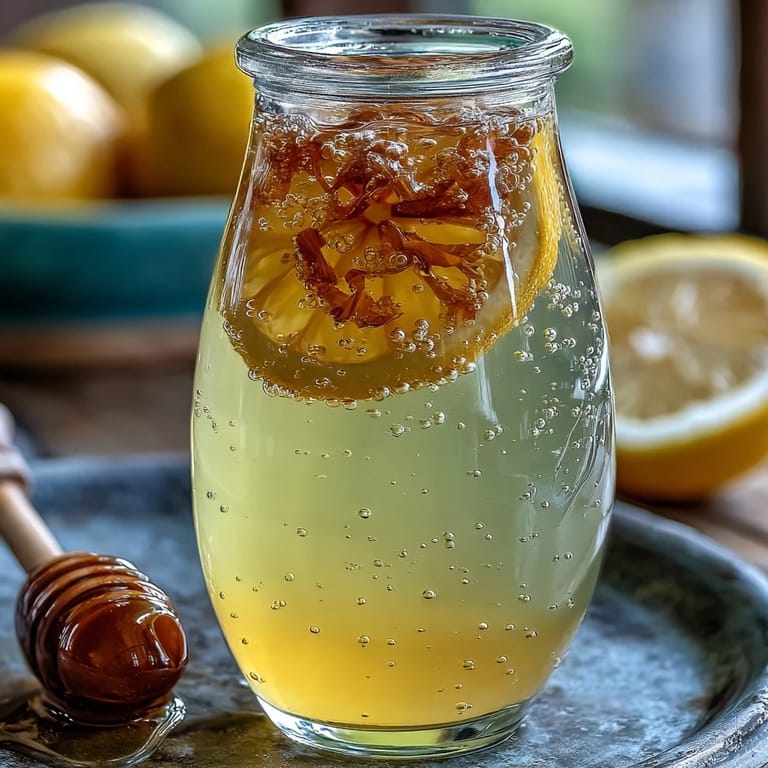
 Here’s to letting your curiosity—and your lemonade—bubble up with each batch. It’s a little bit of kitchen magic, and always worth a toast or two.
Your Questions Answered
- → How do I know when the lemonade is ready?
Taste it daily after 48 hours; it's ready when the flavor is tangy with a light, pleasant effervescence. If it still tastes sweet and flat, leave it another day and check again.
- → Why must I use raw honey?
Raw, unpasteurized honey contains wild yeasts that encourage gentle fermentation and create natural bubbles. Pasteurized honey often lacks these active microbes, so fermentation may stall.
- → How can I increase the fizz?
Allow fermentation to continue up to 4 days for stronger carbonation, transfer to sealed swing-top bottles to trap CO2, and refrigerate to slow fermentation once the desired fizz is reached.
- → Can I add other flavors?
Yes—ginger slices, fresh mint, berries, or a pinch of sea salt brighten the profile. Add delicate ingredients after primary fermentation to preserve aroma and avoid over-extraction.
- → How should I store the finished drink?
Keep bottles refrigerated to slow fermentation and preserve fizz. Open bottles slowly to relieve pressure, then consume within a week for best freshness and bubbles.
- → Any safety tips when fermenting in bottles?
Use sturdy swing-top bottles and monitor pressure by burping if needed. Never overfill; leave headspace and check bottles daily to prevent excessive pressure build-up.