 Save to Pinterest
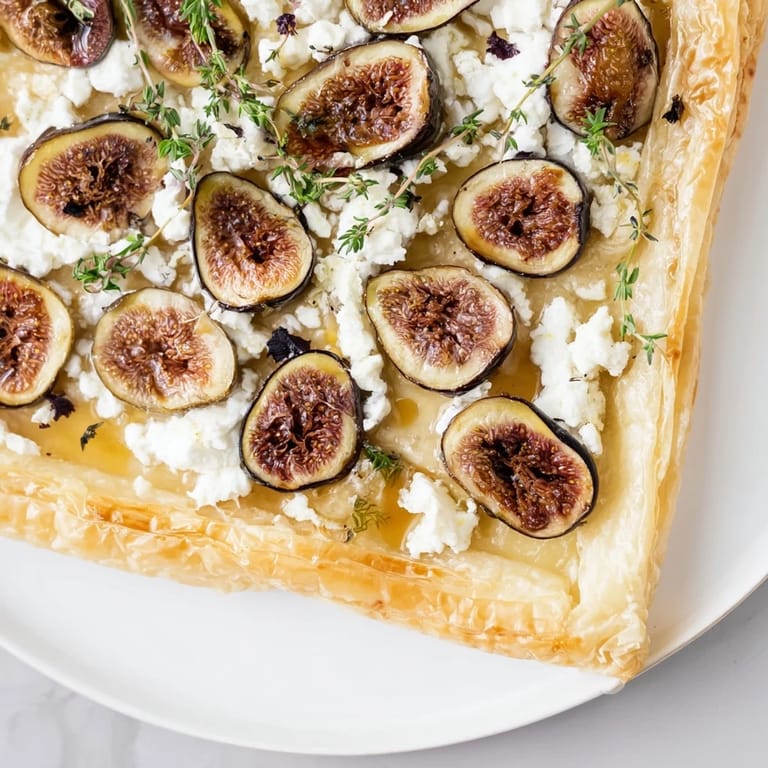
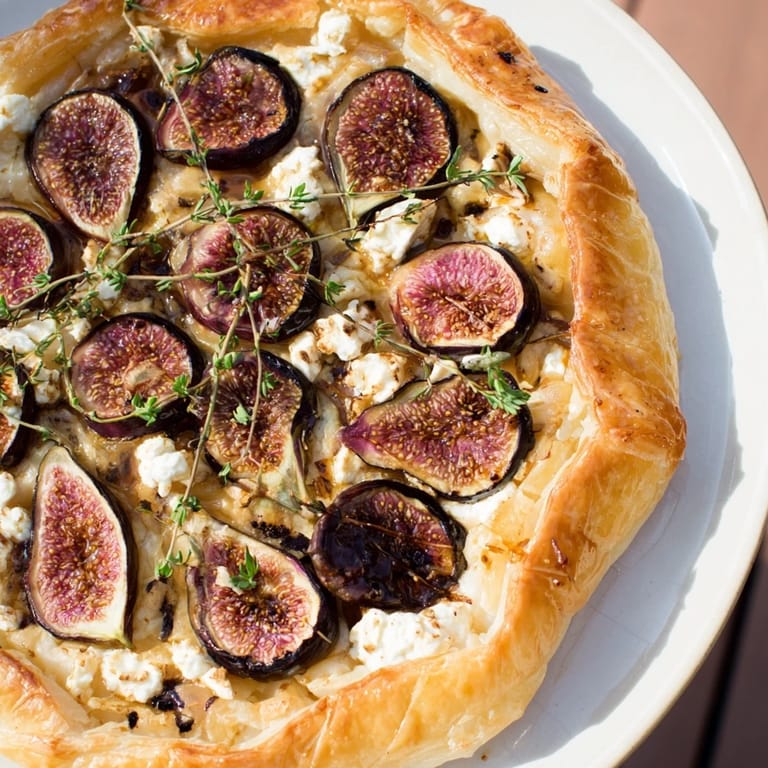
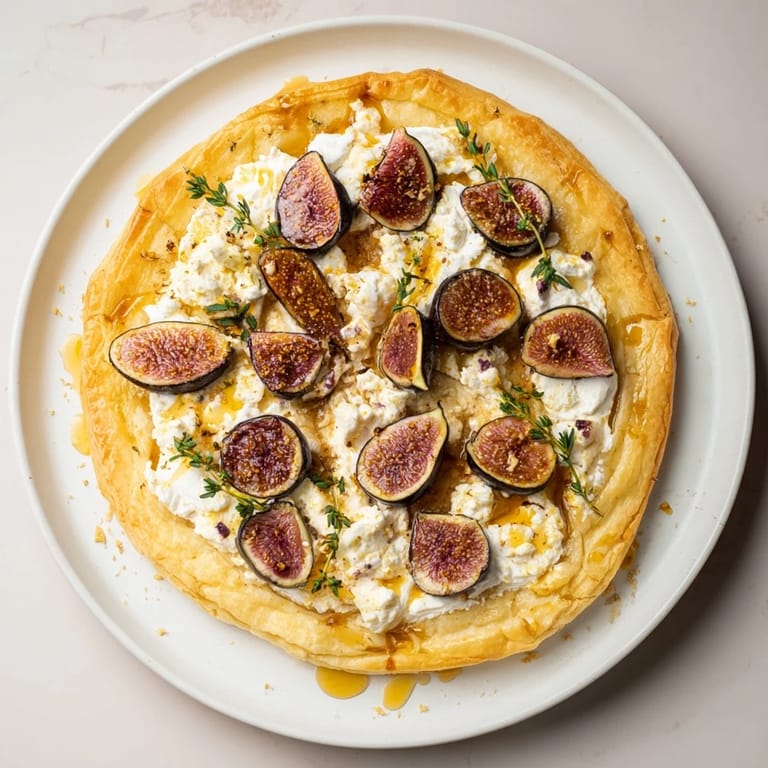
 The first time I made this, I wasn't planning to impress anyone—I had leftover puff pastry defrosting on the counter and a farmers market bag of impossibly ripe figs that demanded to be used that day. I started arranging them almost absentmindedly, then drizzled truffle oil without thinking, and suddenly the kitchen smelled like something you'd find in a Michelin-starred restaurant. What emerged from the oven was pure magic: golden, crackling pastry with sweet figs and tangy goat cheese pooling together, finished with that liquid gold of honey. My guests thought I'd spent hours planning it.
I remember serving this at a dinner where everyone was supposed to bring wine pairings, and someone actually gasped when they bit into it—not the polite kind of gasp, but a genuine "wait, what is this?" moment. That's when I realized this recipe had something special: it felt indulgent without being fussy, sophisticated without being pretentious. Now it's become my go-to move whenever I want to cook something that feels a little bit luxurious without the stress.
Ingredients
- Puff Pastry (1 sheet, about 250 g): Make sure it's completely thawed before you start—cold pastry won't puff up properly, and you want that dramatic rise and crackle.
- Fresh Figs (4–5, sliced): Quality figs are non-negotiable here because they're doing half the work; look for ones that yield slightly to pressure but aren't mushy.
- Goat Cheese (120 g, crumbled): The tang cuts through the richness and creates little pockets of creaminess; room temperature cheese spreads more beautifully.
- Truffle Oil (1 tbsp): This is the secret weapon that makes people wonder what restaurant you secretly trained at; use real truffle oil, not the synthetic stuff.
- Honey (2 tbsp): Drizzle it while everything is still warm so it becomes part of the flavor rather than a sticky afterthought.
- Fresh Thyme (1 tbsp, optional): If you use it, strip the leaves from the stems first—it looks cleaner and tastes more refined.
- Olive Oil (1 tbsp): A light brush prevents the pastry from sticking and helps it brown evenly.
- Sea Salt and Black Pepper: Season generously but after the honey, so the salt doesn't dissolve into it.
Tired of Takeout? 🥡
Get 10 meals you can make faster than delivery arrives. Seriously.
One email. No spam. Unsubscribe anytime.
Instructions
- Prep and preheat:
- Get your oven heating to 200°C (400°F) and line your baking sheet with parchment paper—this prevents sticking and makes cleanup effortless. Having everything ready before you start means you won't be scrambling when the pastry is already on the sheet.
- Roll and score:
- Gently roll out your puff pastry on the prepared baking sheet, then take a knife and lightly score a 1 cm border all the way around without cutting all the way through. This creates a beautiful frame that puffs up while keeping the toppings contained.
- Oil the base:
- Brush the entire pastry lightly with olive oil, avoiding the border you just scored. This is what gives you that golden, crispy exterior that people remember.
- Arrange the figs:
- Lay your fig slices across the pastry in whatever pattern feels right to you, leaving the border clear. They don't need to be perfectly aligned—a little casual arrangement looks more inviting.
- Cheese and herbs:
- Scatter the crumbled goat cheese over the figs, filling in the gaps, then sprinkle fresh thyme leaves if you're using them. The combination of creamy, sweet, and herbaceous starts coming together at this moment.
- First truffle drizzle:
- Use half your truffle oil and drizzle it over everything, then add a pinch of sea salt and a few grinds of fresh black pepper. This seasoning builds flavor before it hits the oven.
- Bake to golden:
- Slide it into the oven for 18–20 minutes until the pastry is deeply golden and visibly puffed. You'll know it's ready when the edges are crispy and the border has risen dramatically.
- Finish with warmth:
- The moment it comes out, while everything is still warm, drizzle the remaining truffle oil and all the honey over the top. The warmth helps them sink in slightly and creates a glossy finish that catches the light.
- Slice and serve:
- Let it cool for just a minute so the honey sets slightly, then slice into portions and serve immediately. The contrast between the warm interior and the crispy exterior is only perfect in this window.
 Save to Pinterest
 There's something about watching someone taste this for the first time that never gets old—that moment when they pause mid-bite, trying to figure out what they're tasting. It's when this pizza transcends being just appetizer and becomes a conversation, something people want to know how to make themselves or ask you to bring to the next gathering.
Why Figs and Goat Cheese Are Magic Together
Figs have this subtle earthiness that most people don't expect from fruit, and when they meet goat cheese's tangy brightness, something remarkable happens—the sweetness becomes more interesting, the tang becomes more welcome. Adding truffle oil turns it from a simple pairing into something that feels indulgent, like you're eating at a place with white tablecloths. The honey at the end isn't just sweetness; it's the bridge that makes all three flavors feel like they were always meant to be together.
Variations That Work Beautifully
I've experimented with this recipe more times than I'd like to admit, and some swaps genuinely elevate it. Swap the goat cheese for creamy blue cheese if you want something bolder and more peppery, or add crispy walnuts before baking for texture contrast—they stay hidden until you bite through the pastry and suddenly there's crunch. Once I added a tiny drizzle of aged balsamic reduction instead of honey and it felt even more sophisticated, though the honey version is the one I come back to.
- Blue cheese creates a deeper, more complex flavor profile if you want to go bolder.
- Toasted walnuts add a hidden crunch that surprises in the best way.
- A balsamic reduction works beautifully if you prefer less sweetness.
What to Pair It With
Serve this with something crisp and slightly acidic—a Sauvignon Blanc is the obvious choice and it works perfectly, but sparkling wine might be even better because those bubbles cut through the richness while the acidity balances the honey. I've also had excellent luck with a dry rosé on a summer evening, and if you're serving this at a casual gathering, a light IPA won't disappoint. The key is finding something that cleanses your palate between bites rather than competing with the flavors.
 Save to Pinterest
 This recipe reminds me why I love cooking in the first place: because something simple can become something memorable when you pay attention to the details and use good ingredients. It's the kind of dish that makes you feel capable and creative without demanding hours in the kitchen.
Your Questions Answered
- → What type of pastry is used as the base?
A sheet of thawed puff pastry forms the base, providing a flaky and crispy texture.
- → Can I substitute goat cheese with another cheese?
Yes, blue cheese can be used for a stronger flavor profile.
- → How is the truffle oil used in this dish?
Truffle oil is drizzled over the toppings before baking and again after baking to enhance aroma and richness.
- → What purpose does scoring the pastry edges serve?
Scoring creates a border that allows the pastry edges to puff up while keeping the toppings contained.
- → Can this be prepared ahead of time?
The assembled pastry is best baked fresh, but ingredients can be prepped in advance for quick assembly.